Day 6: Welcome to the Future

My day started with the beginning of Tsuyu, the rainy season of Japan. Unlike Singapore or Delhi rains which come and go at random, the rains in Tokyo are continuous and not too harsh. Its been raining all day today but the intensity of rain isn’t enough to keep people from going about doing their usual things. Of course the large number of umbrellas in the street slow people down, but the Japanese have learnt the most effective ways and means to avoid crashing into the other umbrellas. From lifting their umbrellas up to inclining in to the side, it comes naturally to them and they do it as they walk around on the wet streets.

After a class about Western influence on Japanese architecture, I wandered around the Shinjuku area of Tokyo. Shinjuku is one of the many “centers” of Tokyo. The Shinjuku train station is the busiest train station in the world with over 3.5 million daily commuters. Remembering my recent visit to Shibuya and its similarity to Times Square, I didn’t expect to see anything radically different. I was so wrong. First of all, it took me 20 minutes to find my way out of the Shinjuku station. I had expected it to be crowded, but not so big. There were different train lines converging at Shijuku, and restaurants and stores clustered near the platforms and ticketing stations. Once I was out of the train platforms, English signs nearly disappeared and I was left to depend on my intuition. When I finally walked out of the train station I found myself among a number of high rises, all of different shapes, sizes and colors. The roads were narrow as they are everywhere in Japan, but somehow space didn’t seem to be such a huge problem given the large entrance courtyards of skyscrapers. Pavements changed color frequently and with every turn I took, I felt like I was stepping into a different area altogether. As I walked around, I tried to look up to see how tall the skyscrapers were, but my umbrella would interrupt my view, and I could barely see the roofs without getting rainwater in my eyes. When I reached the area of the Tokyo Metropolitan Government, I just didn’t know how to feel. I had never seen any area as upscale or developed as this one. Not only were they buildings tall, but they were of the most unique shapes and were made of varying materials. At one point, I crossed a circular courtyard with a line of statues bordering it. I felt like I was in the future. The ginormous buildings and exceptional architecture felt like something the world I knew isn’t quite ready for. I later found out that the annual budget of the Tokyo Metropolitan government is more than the national budget of India, which is sad for India, but explains so much about Shinjuku. After walking a little further, I hit the entertainment area of Shunjuku, which included shops, restaurants, etc. But even this wasn’t comparable to anything I had seen before. It was unbelievably lively for a weekday evening. It went beyond just lanes and alleys into the main streets.

At around 6 p.m. I went back to the Shinjuku station, hoping to experience some of the rush hour crowd at the busiest train station in the world. Near the ticket counters, there were people walking in all four directions and somehow managing not to crash into each. Occasionally, people in a hurry would run across the platform. I dared not stop to take a picture, because if I did, someone from behind would crash into me. The platform, where people were waiting for the train to arrive was so packed that not everyone was able to fit into the first train that arrived. Many people had to wait for the next one. The number of people who came out of the train at Shinjuku station in order to transfer to one of its many lines was also so huge, that the train would nearly be empty in the few moments before commuters leaving from Shinjuku entered the train. When the doors shut, a girl’s backpack got partially stuck in the door due to lack of space inside the train. It was not so bad once I was inside the train, but I think I got lucky, considering that 6 pm is just the beginning of Tokyo’s rush hour.

This is the first time I’m seeing the better parts of a city after seeing the more depressed parts. After seeing the tightly fitted houses and stressed lifestyle of Tokyo, I hadn’t expected to see such a contrasting better half. I plan to go back again to take another look. I haven’t quite digested Shinjuku yet. I also intend to re-visit Shibuya. I may have been wrong about it.
Day 5: Geek Paradise

The commute from home to the university is definitely getting better. I didn’t get lost a single time and the commute didn’t feel as long and tiring either. I got to Waseda early today so that I could meet up with some friends and go to lunch to a proper place instead of eating another konbini lunch in the classroom. I ended up eating gyudon which was once again delicious. I was impressed to find an option of takeaway when I was choosing my food on the vending machine.

After an interesting class about fictional stories of young aspirants wanting to enter the Japanese entertainment industry , I headed to akihabara with my classmates, which is an area of Tokyo popular for its anime, manga, electronic stores and maid cafes. It is a geek paradise and was full of young teenagers and men who hung out in DVD shops and electronic stores. The buildings were painted with popular anime characters, none of whom I was familiar with. There were also a surprising number of sex shops in the area, one of which was a six storey building selling different kinds of sex accessories on each floor. Nonetheless the atmosphere was amazing and I had a great time walking around and spending some time inside one of the gaming arcades.

The most interesting part of today was a visit to a maid cafe. Maid cafes are places where waitresses are dressed up as maids and they put of dance shows for customers. It isn’t exactly what you’re thinking, although there sure were quite a few men in there. Maid cafes are more just built on the idea of recreating the feeling of coming home to great service and being taken care of (customer is king sort of thing). When I walked into the maid cafe, I was surprised at home bright and pink it was as opposed to the dark and dingy room I had imagined it would be. Waitresses spoke to us in a girly tone and said more than necessary when they took our order and delivered our drinks. The show was just one maid dancing to what sounded like a Japanese pop song.

I came home to a Japanese curry dinner, which is apparently a popular meal in Japanese households. I also tried ankoro mochi for dinner, which is basically mochi inside a red bean paste of sorts. It looked like chocolate, but tasted nothing like it.

With respect to moving around and living in Tokyo, things are definitely getting easier and more familiar. But with each new piece of information, I realize how much more there is to learn about this culture. I won’t say I love Japan or I hate it. I just don’t know it yet.

Day 4: Not so confused anymore

Things began to fit into place. I wasn’t always so confused about where I was going. Although I was still dehydrated and tired from the previous day, I was definitely more settled and calm mentally. I got to Waseda and picked up lunch at a convenience store, with the intention of eating it in class. My professor later told me and some other classmates who had turned up at class with a konbini (another word for convenience stores) lunch that eating at the desk is a very Japanese thing to do.

The professor talked to us about the Meiji period in Japanese history and we learnt about Edo, Samurais and the significance of water in Japan. After class, I went to Shibuya, which is comparable to the Times Square of New York. As I stood on a bridge watching people cross the scramble crossing, it was scary to see such a large number of people walking towards each other. And the way they were walking was almost mechanical and robotic. It seemed as if they were walking in sync.

I also discovered this little button that Japanese toilets have which make a flushing sound on being pressed. But they don’t actually flush. According to one of my friend, it is used when people are peeing so that it covers the sound of peeing from people outside. Brilliant, isn’t it?

I returned home that night to find a delicious meal on the table cooked my Kaori-san! We had salad, oranges, rice, soup and korokke, a deep friend meat cutlet. Eating the korokke with chopsticks was a new experience for me, something I did not think was possible, since I would earlier just eat cutlets with my hands or a spoon.

I spent a long time hanging out with Kaori-san and Masaki-san after dinner, and it was really fun. We tried to make weekend plans, only to be distracted several times by the television and other random topics of conversation. From one of Kaori-san’s books, I learnt about geishas, the uchi-soto concept and other arbitrary things related to Japanese culture. I only got to my readings for the next day of class after they went to sleep.

Day 3: LOST

My first day going to Waseda was CRAZY. This was the first time I was seeing Tokyo’s rush hour and the first time I was riding the trains by myself. I kept getting lost and the option of taking my time to find the right train was virtually a non existent option considering the constantly moving crowds. I got lost a few times and finally made it to Waseda. After getting lost one more time, I made it to the Okuma auditorium, the designated meeting spot.

After a quick orientation, we split up for lunch. Along with three others, I spent a significant amount of time looking for a suitable restaurant. We finally settled for a Japanese curry restaurant, a kind of food that I didn’t know existed. Nevertheless it was good, and surprisingly spicy considering we ordered a dish of spice level 1. Being four people who didn’t speak Japanese, we barely knew what we ordered and the waitresses words and questions fell on deaf years. But yet, communication happened through a lot of gestures, pointing, smiles and broken phrases.We got lost again on the way back, but by now I was so used to it that I’d be surprised if I didn’t get lost. After a three hour class we got a campus tour of Waseda and a fancy welcome party at the University cafe. It was great getting to know some of my new classmates from Yale!

On the way home I once again got lost as I took the wrong exit from the train station. I took a few wrong turns but finally made it back home very exhausted. I tried onigiri, a popular Japanese snack, for the first time that night as supper along with Yocan, a jelly like Japanese dessert. 

Day 2: A New Family

Breakfast at the hostel was a cultural experience. Bread and jams occupied one small part of the breakfast layout. A majority of it was rice, soup, Japanese cutlets, and [other things I was clueless about]. I tasted nato for the first time, which is fermented soybeans, a popular Japanese breakfast item eaten with rice. It was the strangest thing ever, I could barely taste anything in my mouth. The smell was repelling. It reminded me of my first time trying durian in Singapore. I know that this will probably be one of the foods that I will end up loving by the end of my 7 weeks here. An interesting food item that one of my friends had brought to breakfast was coffee jelly, and it tasted great! The water filter dispensed cold water, hot water and green tea. I loved the idea of green tea being available as easily as water, and it reminded me of how different a culture I was dealing with here.

Later, we were all given our cell phones and tickets for commuting between our homes and Waseda University. I was confused to see three different tickets given to me, but I was told that my host family would explain the system to me. The same day, I was picked up by my host family comprising Kaori-san and Masaki-san, a young couple who live in Saitama, which is a suburb of Tokyo. We went around Tokyo the first half of the day, running errands and getting to know each other. My host mom and dad took me along the entire train route from Waseda University to their house. They told me that there are around 10 different companies which are running trains in the city, and each of them have different tickets, which explained the three different tickets I had received to travel on three different lines each day.

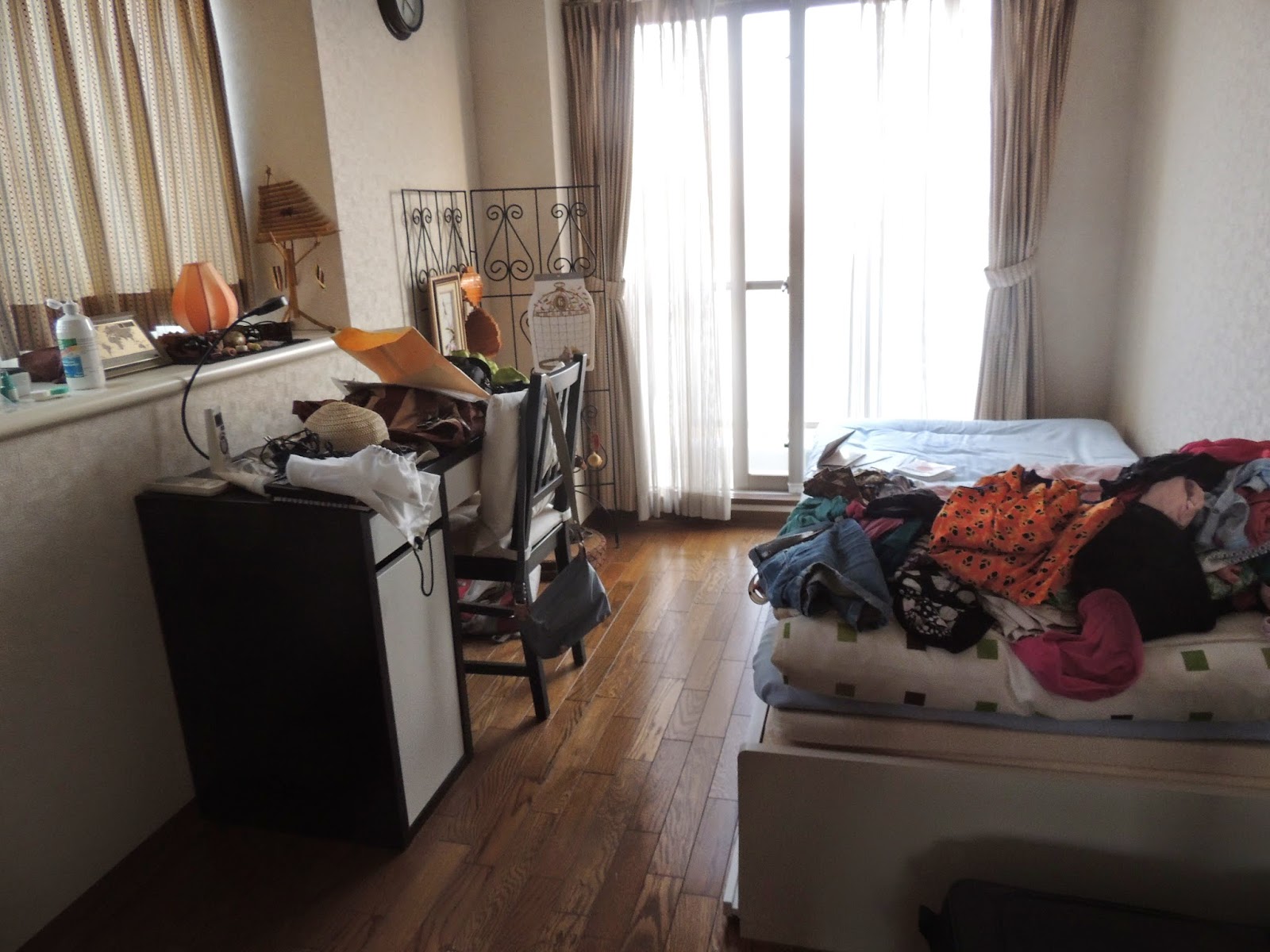
My room for the next 5 weeks

My host mom and dad had both studied sociology in college, which was once my dream subject. Spending all afternoon with them taught me more than a classroom has ever taught me. Apart from learning several Japanese words and how to navigate the confusing train system in Tokyo, I learnt about Japanese family dynamics, cuisine, lifestyle, etc. We went to lunch to a cute little restaurant which had little wooden compartments made for four people. Kaori-san and Masaki-san told me that these places are usually for drinking at night, and have great and cheap food during the day! The restaurant had a little device on each table which you could use to call the waiter. What a brilliant concept! I went grocery shopping with them later and learnt about all kinds of new foods that I wasn’t used to seeing. I tried sake for the first time that night, and loved it! It wasn’t too bitter nor too sweet. Or rather, it was both bitter and sweet. I don’t know. Either way, it was great.

The comfort level that I reached with Kaori-san and Masaki-san on the first day itself was incredible and totally unexpected. I had only heard of Japanese hospitality before this. However, I felt like this was more than just hospitality. It was genuine concern and care under which I suddenly didn’t feel lost anymore.

First Day in Japan

I flew by Japanese airlines. The flight was unexpectedly full of Japanese people. I half expected to see lots of Indian people on the flight either visiting Japan or transiting, but there were only a handful. The service on the flight was unexpectedly good and the aircraft fairly fancy.

I arrived at Narita airport on Saturday morning. I was surprised to not find a more advanced and fancy airport. Things were a little bit confusing. Seeing so much of Japanese written everywhere didn’t help. There were signs around immigration with scary words such as ‘quarantine’ written here and there. I was half expecting a medical checkup before I was allowed to pass through immigration. Customs happened quickly and so did baggage claim. The customs was surprisingly thorough and asked me for my invitation letter from Yale before they let me go. After spending a few minutes in Japan’s very clean public bathrooms, I bought breakfast from a convenience store. Everything was in Japanese and I had no idea what I ate that day. But it was good. And cheap. When the cashier said “300 Yen” with a Japanese accent, I wasn’t sure I heard right. I was expecting more of “1500 Yen”, having heard about how expensive Japan is.

I took the Narita Express, also known as the NEX to Tokyo and made my way to the hostel. My first reality check came when I was trying to look for my hostel and asking people on the street didn’t help. Most people didn’t understand what I was saying, and others didn’t know where the hostel was. When I finally did get to the hostel, I was pleasantly surprised at how large the rooms were. I had expected dark and dingy rooms with barely enough space to stand. It was quite the contrary. I was amused to see the system of the public bath, which comprised of a huge bath tub in which people could collectively bathe.

I walked around the area looking for lunch and found a small restaurant with bar stools and vending machine on the side. This was pretty new to me. The concept is that you decide what you want to eat, pay for it through the vending machine (which is generally quite cheap ~$5) and then you get a ticket in return. You take the ticket to the counter and the waitress brings you the food in a matter of seconds. I don’t know what I ordered, since everything was in Japanese and I had just pressed a random button on the vending machine. But what I got was the best fast food I’d ever had. I was later told that what I had eaten was gyudon, which was beef slices on top of rice along with miso soup, a Japanese specialty that is eaten with almost every meal. The soup was served without a soup spoon and I wasn’t quite sure how to go about drinking it, until I saw the man next to me drinking it straight from the bowl. Great way to economize on extra cutlery!

As I walked around after lunch, I saw many little food stalls on the street and quite a few European restaurants. There were people handing out flyers on the street and advertising their restaurants. When I’d walk past, people would look at me and decide not to hand me the flyer or shout out their advertising slogans to me because it was so clear that I wouldn’t understand them. Being in a country where I clearly stand out as a foreigner was new to me. All the places I had been to before were those where people could have thought of me as a local-US, Singapore Indonesia, Malaysia, Canada, etc. This was also the first time I wasn’t seeing any Indians or brown people on the street.

At first, I though that Tokyo was not as fancy as I expected it to be. The streets were small and the buildings were often old. But slowly, I realized that Tokyo is advanced in the most functional sense. The restaurant waiter at dinner had an app on his phone that could send orders to the kitchen and track the order later. One train line had several types of trains-local, rapid, semi-rapid, so that people who live faraway don’t waste time because of the train making stops every 2 minutes.

My first takeaway? Don’t judge a book by its cover.

A day before Japan

I leave for Japan tomorrow. I’m going to be in Tokyo for 5 weeks and some other undecided place for 2 weeks after that.

I have been preparing for my study abroad and Japanese immersion. The readings provided by the Yale professor so far have been immensely useful in orienting me with Japanese culture. They give a lot of historical background about Tokyo. Some novels that I’ve been reading have been helpful in familiarizing me with Japanese names and places. Some tit bits of information I’ve got from friends who’ve visited Japan are that its very orderly, the Japanese are very polite, patient and helpful, Tokyo is huge and can be quite confusing. A lot of my college friends are crazy about Japan. They love the place. Although I’m excited to be going to a place which so many people admire, I’m keeping my expectations as low as possible, so that I won’t be disappointed.

Yesterday, I called the hostel that I’ll be staying at in Tokyo the first night before I’m picked up by my host family. They were really nice. The first woman who answered greeted me with a few lines of Japanese. So my first sentence to her was “Hello! Do you speak English?”. I should probably learn how to say that in Japanese. I’ve learnt some Japanese words, like hello (konnichiwa), thank you (arigato), etc. Anyways my call was transferred to man who spoke fairly fluent english. Off course he had a Japanese accent, and even when I asked him to spell things out for me, the way he pronounced English letters was very different and a bit hard to understand. But thanks to his patience, I finally got the directions to the hostel.

Considering that there might be a language problem in Japan, I initially thought about learning Hiragana. Kranji was out of the question. I still might learn some while I’m in Japan. But I think for now, I’m going to try and get by without the local language through gestures and phrase books. These days I’m of the opinion that it’s not very practical to learn the language of every country you visit. And even if its not purely for that purpose, I feel like its not worth the effort to remember and practice the language after you’ve learnt it. The world is increasingly speaking english and from a practical standpoint, learning a language may not make sense. Plus I think its an interesting to challenge to try and get by with the language you already know.

I’ve been emailing my host family, and they seem like really cool people. I’m quite excited to meet them. They’re a young couple living just outside of Tokyo. I’m glad I got a small household. I fit in better in a setting with fewer people. When I asked my host how I should address her and her husband, she said that I can add a san after her name, which is a casual version of ‘Mr.’ or ‘Mrs.’ That is a valuable piece of information. Based on what friends have told me, Japanese people greet each other by bowing. I love that. I’m going to do that so often. I’ve been told that Japanese people are fairly indirect in conversation and won’t say exactly what they want. I’m lucky to be from a culture where people are indirect too. My Tokyo guide mentions the gift giving culture in Japan. Although I don’t personally care too much for gifts (I haven’t quite understood the logic behind it yet), I bought lots of local exotic gifts! It was actually quite fun.

I’ve also been googling travel in Japan. I’ve learnt some amusing things about their bathroom systems. Firstly, they have something called toilet slippers which are a separate set of slippers that you wear only inside the bathroom. Japanese bathrooms have a little remote control type thing next to them which can be used as a massage machine and dryer and what not. Also, Japanese bathing is very interesting. People wash themselves first and then get into a bath tub of which the water is shared by all family members. I shall make it a point to understand the logic behind that.

While I was reading my Tokyo guide book, it mentioned eating options in Tokyo. Apart from restaurants, they have cheap food found in tachigui eateries which are stand in and eat noodle shops. I love noodles. Apparently, the Japanese version of fast food is different too.

Based on my research and hearsay, Japan is pretty expensive. It costs $10 per meal on an average. For the first time, I have a pre-travel budget and it’ll be interesting to see if I can stick to it. I am normally very frugal while travelling, but Japan will be a challenge.

I won’t have a phone until Monday, and I’m quite happy about that. I’m not a huge fan of constant connectivity and I don’t plan on using a phone much other than for emergency purposes. Japan is a very safe country, safer than Singapore I’ve heard. That certainly increases my mobility and independence in Tokyo. I can actually ask myself “whats the worse that can happen?” and give a truthful answer that doesn’t involve kidnapping.

Strangely, I don’t feel nervous. I think its partly because of frequent travelling in the past one year and partly because of a TED talk I saw on stress. The talk said that stress is actually helpful in preparing you to face a situation. And if you think of it that way, then stress won’t affect you in negative ways. I know that if I get nervous or anxious, its only going to help me be more alert and careful while travelling. In any case I’m going to re-adopt my strategy of taking one thing at time and letting myself absorb all that’s going on.
I know I’m going to get a culture shock in Japan, and that’s what really excites me. Whether I like what I see or not, I’m going to learn a lot this summer.

Dear Nice Man on the Train

I saw you when you were trying to explain to the other train passenger why you couldn’t exchange seats with her. I don’t know exactly what you said, but I was enchanted by how friendly you seemed. You were smiling all throughout as you spoke to that woman who would do anything to keep her family of eight together in the train. I wish she didn’t try so hard and inconvenience other people. 
Well the woman is beside the point. I actually just meant to appreciate your patience and friendly attitude with her. You are a person who at first glance, I would have immediately characterized as careless, unemployed and of low morals. You had an ear ring and a rough look about you. Your thin frame and dark looks made you seem like one of those men in Delhi who can’t stop staring at every woman in the vicinity. But you aren’t from Delhi, are you? You got on one of other stations of which the name I don’t recall. 
Forgive for my ignorance. I hadn’t heard of four out of six places that the train stopped at. Well that changes things. I’ve been reminded over the past few days that people in smaller towns are much nicer and less selfish than people in cities. And they’re also so much more diverse. A nice looking old man could easily be the troublemaker of the town and a rough looking young man like you could easily be the nicest person in town. In the city, on the other hand, it’s much easier to place people in broad categories and be right about them. I’m not sure why. That might just be me knowing city folks better.
Getting back to the point, your smile changed my first impression of you in a split second. It lit up your face, and your patience in explaining why you couldn’t exchange seats was admirable. I couldn’t hear what you were saying, but you sounded very reasonable. From what little I could hear three rows away, the smoothness and clarity with which you spoke, packing as many words as you could in each second, increased my confidence in my second impression of you. I was sure that you were a nice guy. Don’t ask me why. I don’t know.
Hearing the benefits of smiling and the quotes that have become clichéd with time, I had become accustomed to ignoring them, and overtime, forgetting how much a smile can do. Unconsciously, I had stopped smiling as much as I used to, simply because it was more effort than keeping a straight face all the time. You reminded me that smiling does make a difference, one that matters. A smile can make somebodies day brighter, it can make a hard blow seem softer and it can make bad news better.
You also made me catch myself judging people before I talk to them. Here I am, proudly believing that I don’t judge people until I get to know them. Maybe I don’t set eyes on a person and say to myself “Oh, looks like a bitch”. But on seeing a person like you who turns out to have a personality seemingly different from what I would have expected, I realize that I do judge people simply by expecting them to be a certain way. I certainly won’t look down on you for being that way, but I’ll assume I know you already. When I expected you to be an immoral, unemployed, selfish man, I was judging you based on your looks. Even worse, I categorized you, assuming that all people who look a certain way have similar personalities and backgrounds. You challenged that and reminded me that the human race is diverse in its personalities, habits, behaviors and appearances, none of which are necessarily interconnected.
I am mostly done with my philosophical rambling, but I want to tell you one last thing. I wish I could erase the last time I saw you from my memory. It was a few minutes after I first saw you talking to the woman. You picked up your backpack and went past me towards the back of the train to find your new seat. I don’t know how that woman convinced you, or why you caved. Did you do it because you didn’t want to assert yourself and further argue with her? I know a train seat is something that doesn’t actually mean much, but seeing you give in to her relentless persuasion reminded me that there is some truth to the saying nice guys finish last. The people who are kind and sensitive to other people’s troubles get left behind when there are selfish people to take advantage of them. This is not about the train seat. Your new seat was probably just as comfortable as your original one. This is about nice people like you getting pushed around by people who don’t care if their demands cause inconvenience to others. And if that’s the truth, what’s the point of even trying to be nice when you can get things your way being selfish and pushy? If it wasn’t for my liberal arts education, I would have completely given up on trying being more thoughtful of other people. But seminar discussions, casual debates in the dining hall and college in general have taught me that being nice and assertive aren’t worlds apart. There is a middle ground where you don’t have to selfishly push others around and at the same not be a pushover. It’s unfortunate that few people find that middle ground. Most are on either end of the scale. But people are increasingly self-aware now and I have faith that more people like you will find that middle ground. Until then, keep smiling.
Yours Truly,

A distant admirer 

Things I don’t understand about the workplace

Disclaimer: All of the following may come off as highly sarcastic. It is not. My questions are not rhetoric questions. If you have answers, please comment and let me know. You will be doing me a favor. Really, I mean it. 

1. Formal Clothing

There are a number of social norms in the workplace that I don’t understand. I can’t help but wonder where these norms originated from.

Formal clothing for example. Why do people need to wear suits and ties to office? I don’t see why you can’t wear casuals to work and dress up for meetings with external clients. Whenever I dress up for anything, a lot of my attention and energy is on my clothes. I actually find myself working best when I’m in my most comfortable clothes which require least attention.

2. Casual Fridays

Another related thing I don’t understand is casual fridays. Apart from the fact that there is only one day of the week allocated to casual wear, why is it friday? Friday is probably the happiest day of the week anyway. If anything, wouldn’t it make sense to wear casuals on Mondays to ease the blues of starting a new week after the weekend?

3. Separate Offices

Apart from clothes, I wonder why executives have separate offices. Do they need more silence or privacy to do their work than other people in the company? Or do they have more private meetings? Separate rooms for executives often just increase the distance and hierarchy among employees and I can’t understand why there can’t be separate meeting rooms or private rooms, kind of like libraries in colleges, which can be used by anyone in need.

4. Fixed timings

The 9-5 timing is also a strange phenomenon to me. Different people have different times at which they are most productive. So why force them to work between 9-5? Why not just let decide on their own work timings? Maybe meetings which require everyone to be physically present at office could be between a designated time (like 9-5), but apart from that, as long as people do their work on time, I don’t see why they need to work in specified hours.

5. Fixed Workplace

Infact, if you really think about it, a lot of jobs today shouldn’t require people to show up at office at all. They can just work from wherever they are. It would save a lot of commute time and money. They could go to work if they want, but unless they need to work with a team or attend meetings, they don’t need to show up at a specified location everyday.

Rediscovering Home

Today’s the seventh day of summer break. I’m in New Delhi visiting family and friends. And so far, its not been half as monotonous as I expected. Having lived away for a year now, I realized that even though I spent 19 years of my life in this country, I know very little about it. So for the 20 days that I’m here before flying off to Japan, I decided to do something new every day.

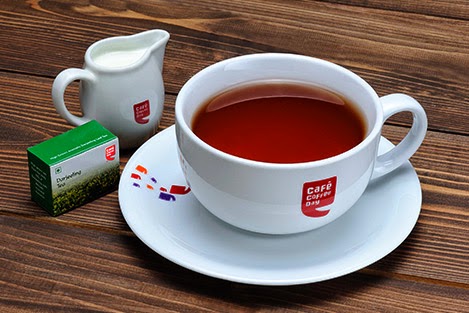
DAY 1: Tried Darjeeling Tea

DAY 2: Roadside Chaat and trying a new indo-chinese restaurant with family (right)

DAY 3: Lunch at Johnny Rockets and Frozen Yogurt at Red Mango, both new places for me!
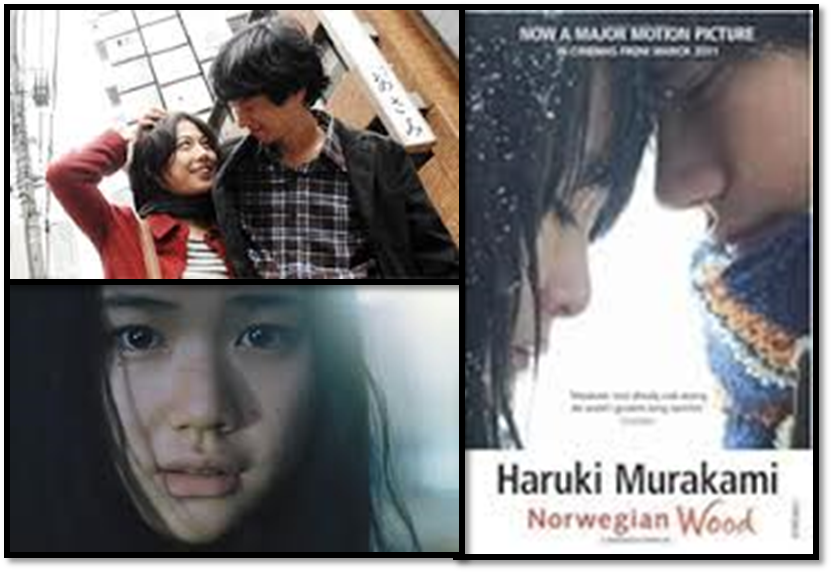
DAY 4: A virtual Japanese immersion; Japanese short films (Tokyo!-bottom left and Interior Design!-top left) and a novel by Murakami (right)
DAY 4: Solo shopping for gifts at Dilli Haat 

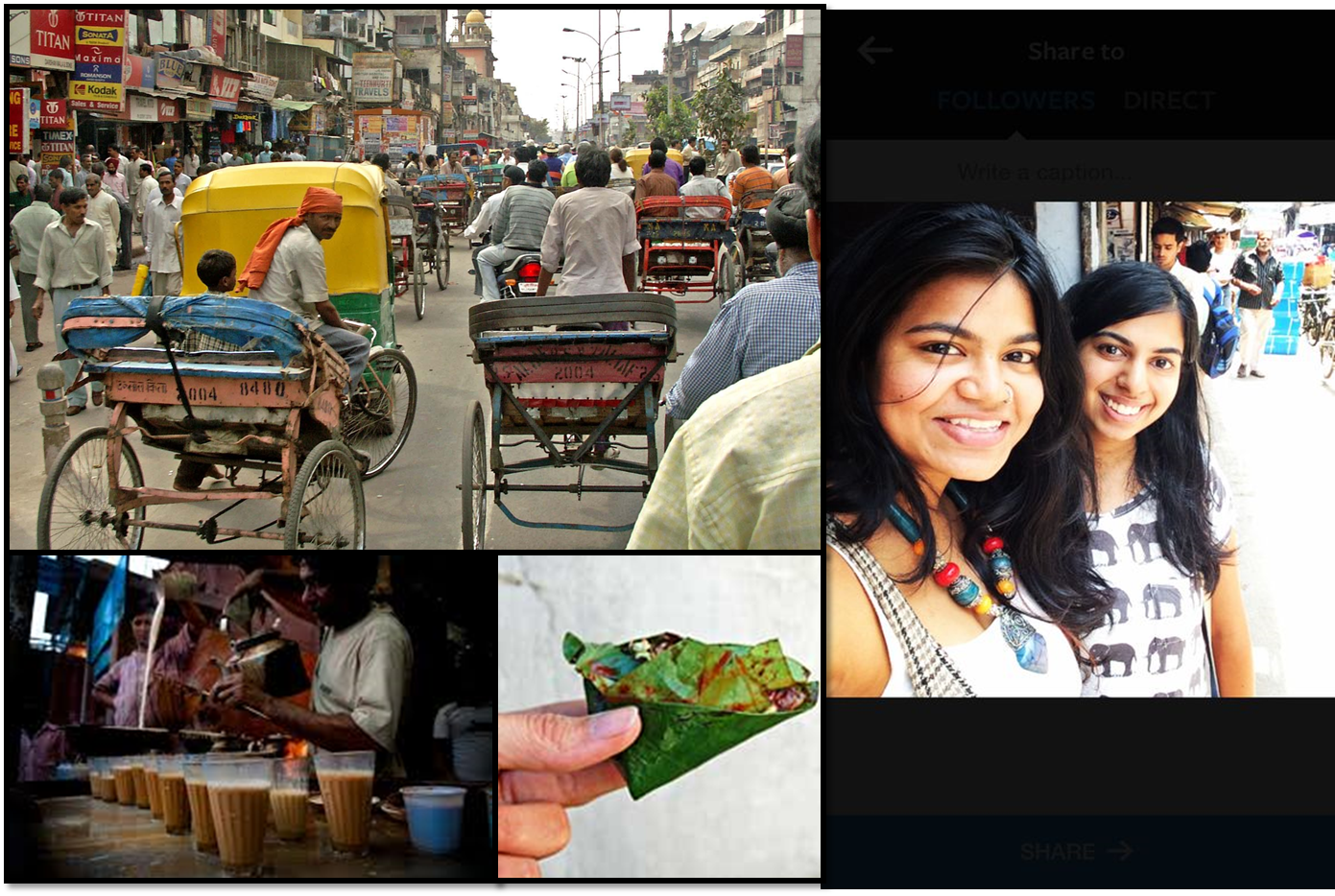
DAY 5: Exploring old Delhi: Chandni Chowk (top left), Chai (bottom left) and Paan (bottom center)

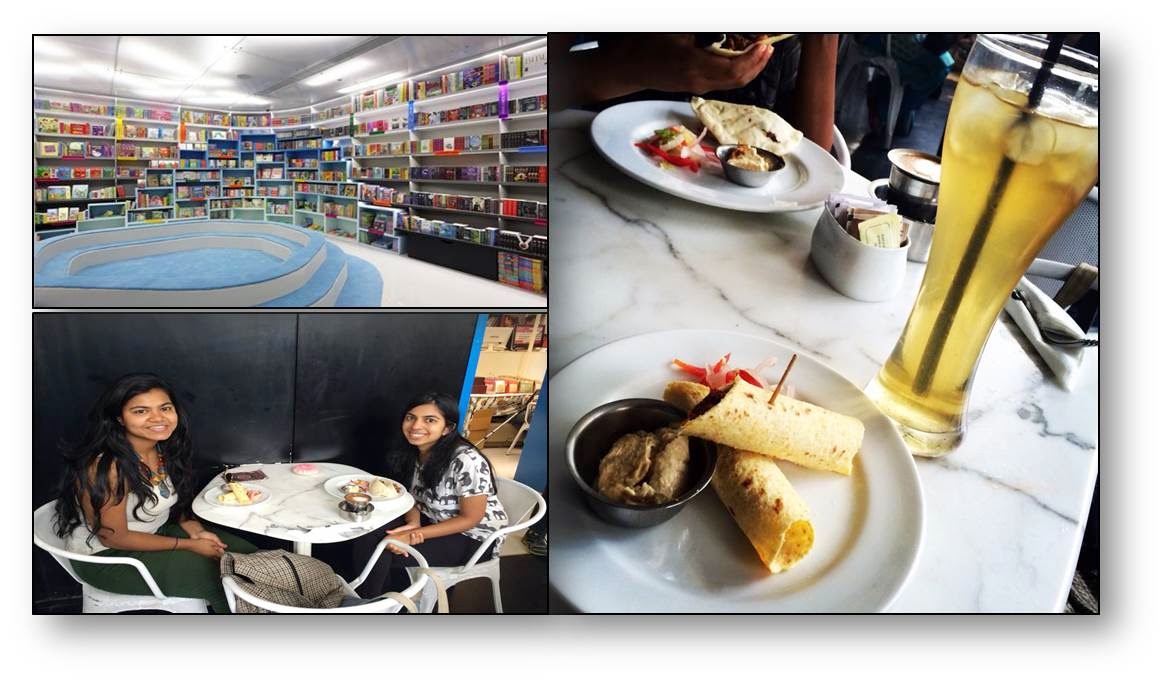
DAY 5: Oxford Bookstore (top left) and Cha Bar for lunch 

DAY 6: Visiting my friend’s university and going to a nearby college hangout for lunch! 

DAY 6: A book and movie that I’d been putting off for the longest time 

Ofcourse, this required a great deal of discipline on my part. It’s hard to step out of my comfort zone in a place where there are so many comfortable options. Going to a new restaurant and taking the risk of being potentially disappointed by it is tough when there are 20 other options that I know will unfailingly please me. Nevertheless, it is a skill to look for uncomfortable and new things to do where everything is so familiar. The past 6 days have taught me things that I thought I already knew. It has been about unlearning and re-learning. Change the perspective from which you view things, and suddenly, everything will be new all over again.