Day 34: Riding the bullet train AKA the Shinkasen

On a field trip to Kyoto, I got a chance to ride Japan’s famous bullet train, locally known as the Shinkasen. I traveled by the Tokaido Shinkasen, which operates between Tokyo and Osaka. It was very fast, very smooth and an amazing experience. 
The exterior of the Shinkasen
There are different kinds of Shinkasens running on each line. Some stop at more cities than others. The one I took was the express train (the fastest one), called the Nizomi. Here is a video I shot when the train seemed to be at its highest speed (which is over 300 kmph according to wikipedia):

The train was very sleek on the inside. There was lots of leg space. For people on the window seat, there was a ledge on the window which you could lean on if you wanted to sleep. The train wasn’t at all shaky and one could easily walk around without realizing the high speed of the train. Of course, a visit to the toilets (which are probably the fanciest train toilets I’ve come across) is enough to remind you of that. The toilets are located at the rear of each compartment and are shaky as hell.

The inside of the Shinkasen

There are separate cars for passengers who had reserved seats and those who hadn’t reserved seats. Apparently, the train gets pretty full during the Obon festival in August when people visit their families and passengers in the non reserved cars have to remain standing throughout the journey. There are also separate cars for smoking and non smoking passengers.

Day 33: Odaiba, finally

On my last full day in Tokyo, I went to Odaiba, a coastal part of Tokyo which is known for its iconic Rainbow Bridge, its tiny statue of liberty and beaches.

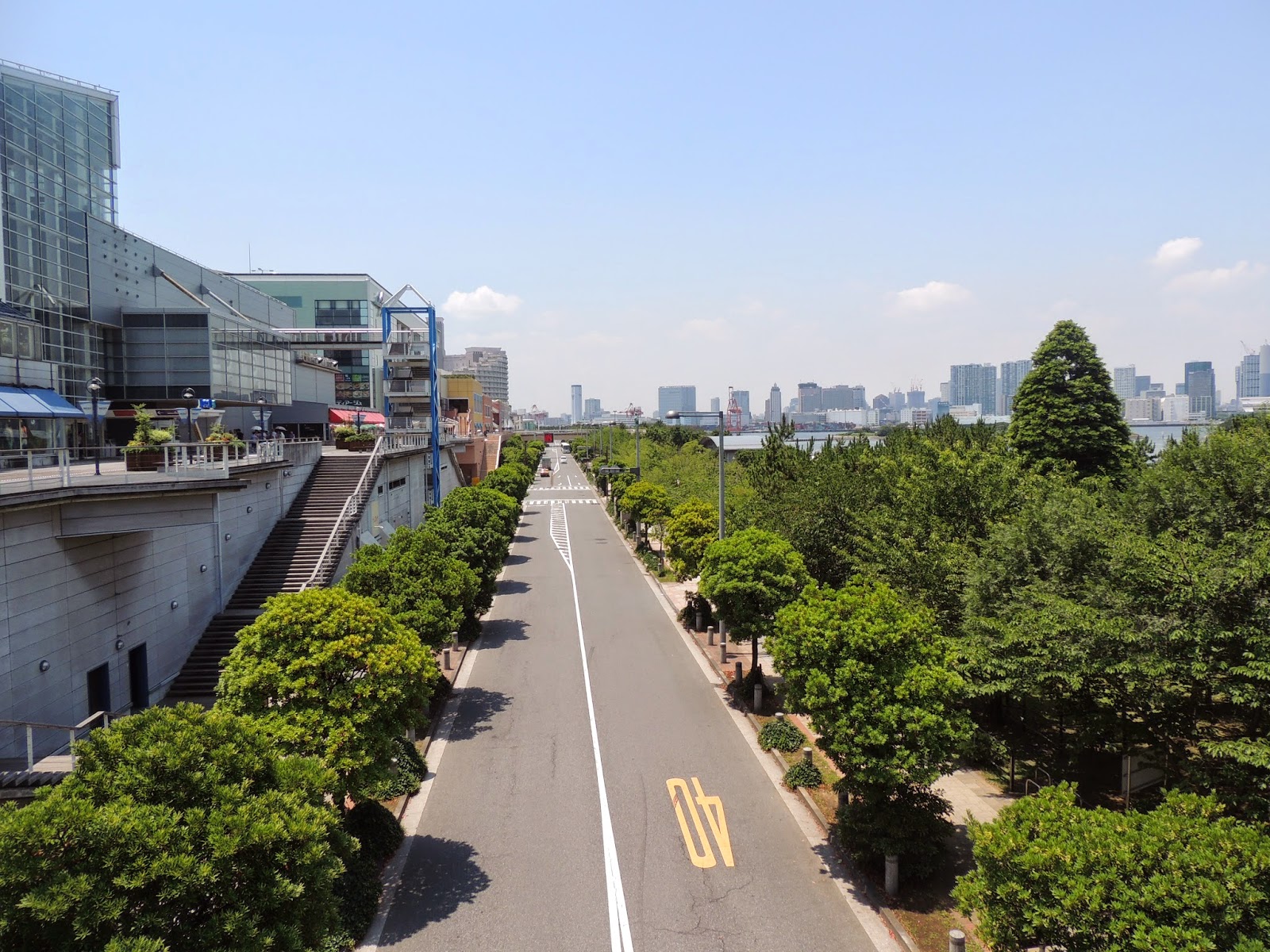
Soon after exiting the very fancy Tokyo Teleport train station, I found myself on an overhead walkway. Walking on the ground is made redundant, the bridge is well connected to all the important places in Odaiba. The view from the bridge is beautiful. There are sign boards and maps everywhere, for tourists to get more and more excited by all there is to see in the area.

An aerial view from one of Odaiba’s overhead walkways

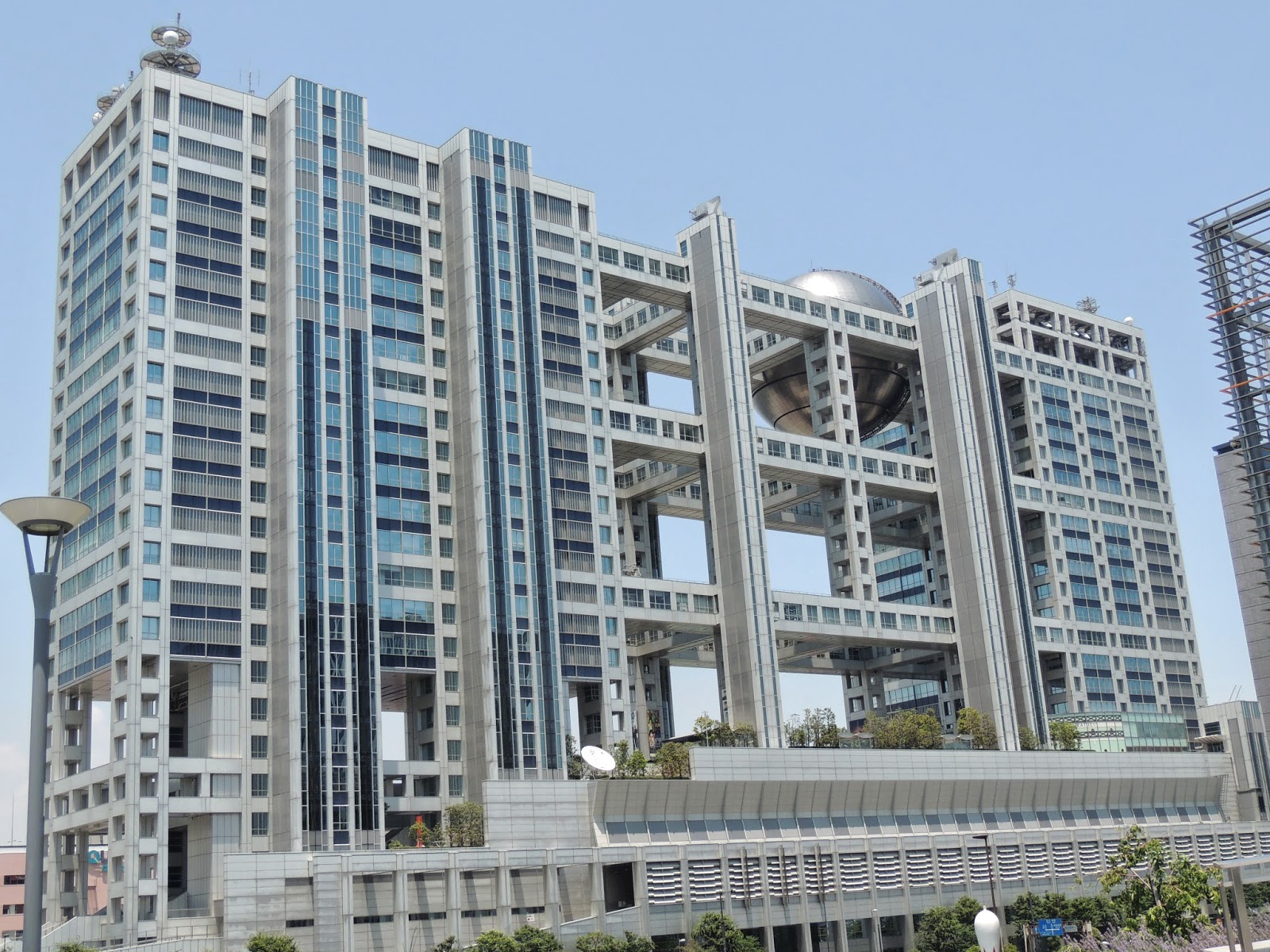
Odaiba, being a coastal area, is much cooler than the rest of the city. With the clear sky and sunny weather, Odaiba reminded me of a little bit of Florida and a lot of Disneyland. There is very little grey to be seen. Buildings are either made of steel or of cement walls painted in bright colors. Many of the buildings in Odaiba are of architectural importance, such as the Fuji TV headquarters, Shinonome Canal Court and Tokyo Big Sight. The pavements are light pink and I saw very few people walking around in black and white suits with briefcases. I frequently saw glimpses of docks and ships. Odaiba seemingly comprises of offices, hotels and entertainment facilities. An interesting fact about Odaiba that shocked/surprised me is that its an artificial island made of garbage. More such islands are coming up for the 2020 Olympics.

Shinonome Canal Court, an innovative public housing project in Odaiba

Tokyo Dock, which is a great place for a view of the Rainbow bridge and the mini statue of liberty, is another overhead walkway. It is full of malls, restaurants and entertainment places such as Madame Tussauds and indoor theme parks for kids. The decor of Tokyo dock was the cutest, and there were speakers playing music in the potted plants along the railing.

Rainbow Bridge looked magnificent, and very very long. It is about 800 meters long. Instead of having one curve towering upwards like most other bridges I’ve seen, Rainbow Bridge has two. Also, it had two roads, one on top of the other. The lower road is for the train to go through, and apparently for pedestrians to walk on. The upper one is for regular vehicles. The Rainbow Bridge lights up at night and as per my host mum, is quite a popular destination among couples. Unfortunately I didn’t get to see the lighted up Rainbow bridge which is featured on every other postcard of Tokyo, but I’m happy to have seen it nevertheless.
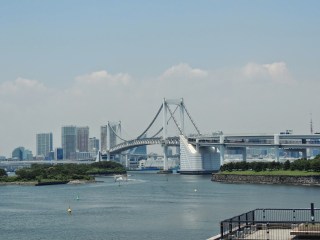
Tokyo’s awe inspiring, very long, iconic Rainbow Bridge
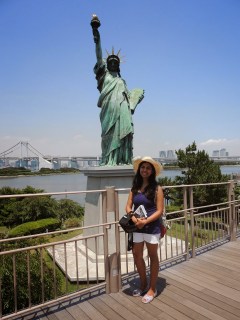
A mini replica of the Statue of Liberty
Fuji Television Headquarters, known for its futuristic architecture

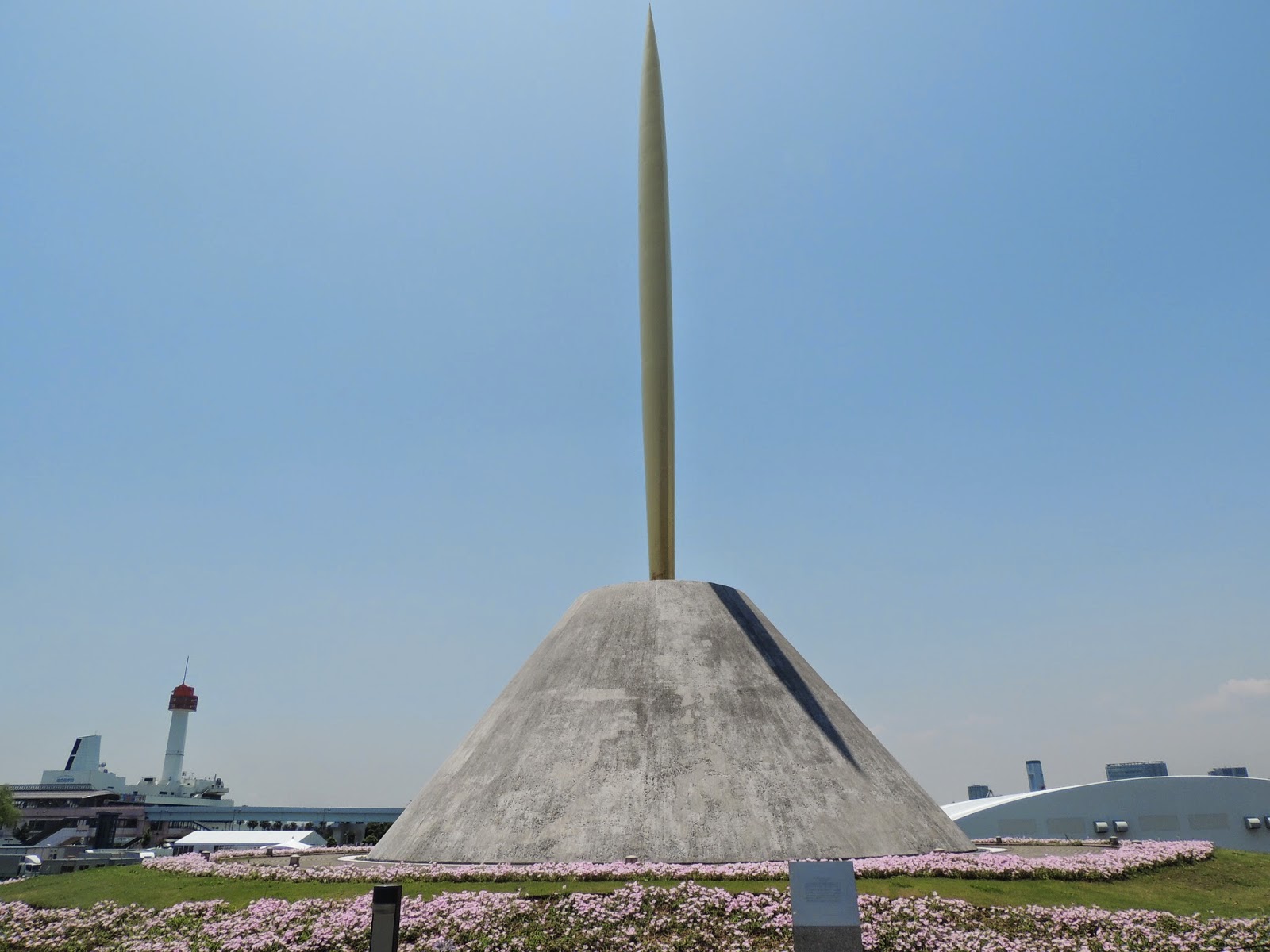
The Liberty Flame, just a few hundred meters away from the mini Statue of Liberty. It is surrounded by a beautiful landscape of flowers

I took a different train on the way back which was on the Yurikamome Line. I was pleasantly surprised to find the train going through the rainbow bridge. The train was on the bridge for a seemingly long time. At the end of the rainbow bridge, there is a circular loop, which I later learnt is for vehicles to descend from the elevated Rainbow Bridge. The view from the train was amazing even after it had left the Rainbow Bridge behind. It felt more like a joy ride and I considered it a luxury to be taking this train to as a means of transportation. When I got off the train and transferred lines back to one of Tokyo’s subway lines, the contrasting stuffiness and monotony of it struck me.

I’m glad I got to go to Odaiba. It’s so different from the rest of the city. It makes me realize that the sheer size and scale of Tokyo also makes it very diverse. Tokyo’s quirks have jumped at me throughout the past four and a half weeks, and it has surprised me in small ways. While studying the map of Tokyo’s trains and trying to identify areas and train lines that I am now familiar with, I realized that Tokyo is much bigger than I initially thought. Although I was happy to find myself familiar with a fair number of areas of Tokyo, there were train lines I hadn’t heard of and areas in the periphery of the city which I didn’t know existed.

After spending the morning at Odaiba I went to class where we watched the movie Tokyo Waka. Believe it or now, it is a documentary about crows in Tokyo. Crows have been quite a problem in the city. They are huge and fearless. They often attack people. Crows live on garbage which can be quite an issue for city’s cleanliness, since they aren’t very particular about how neatly they eat. A few years ago, the crows’ population was too large and became a problem for the city. So the Tokyo government made active efforts to reduce the population.

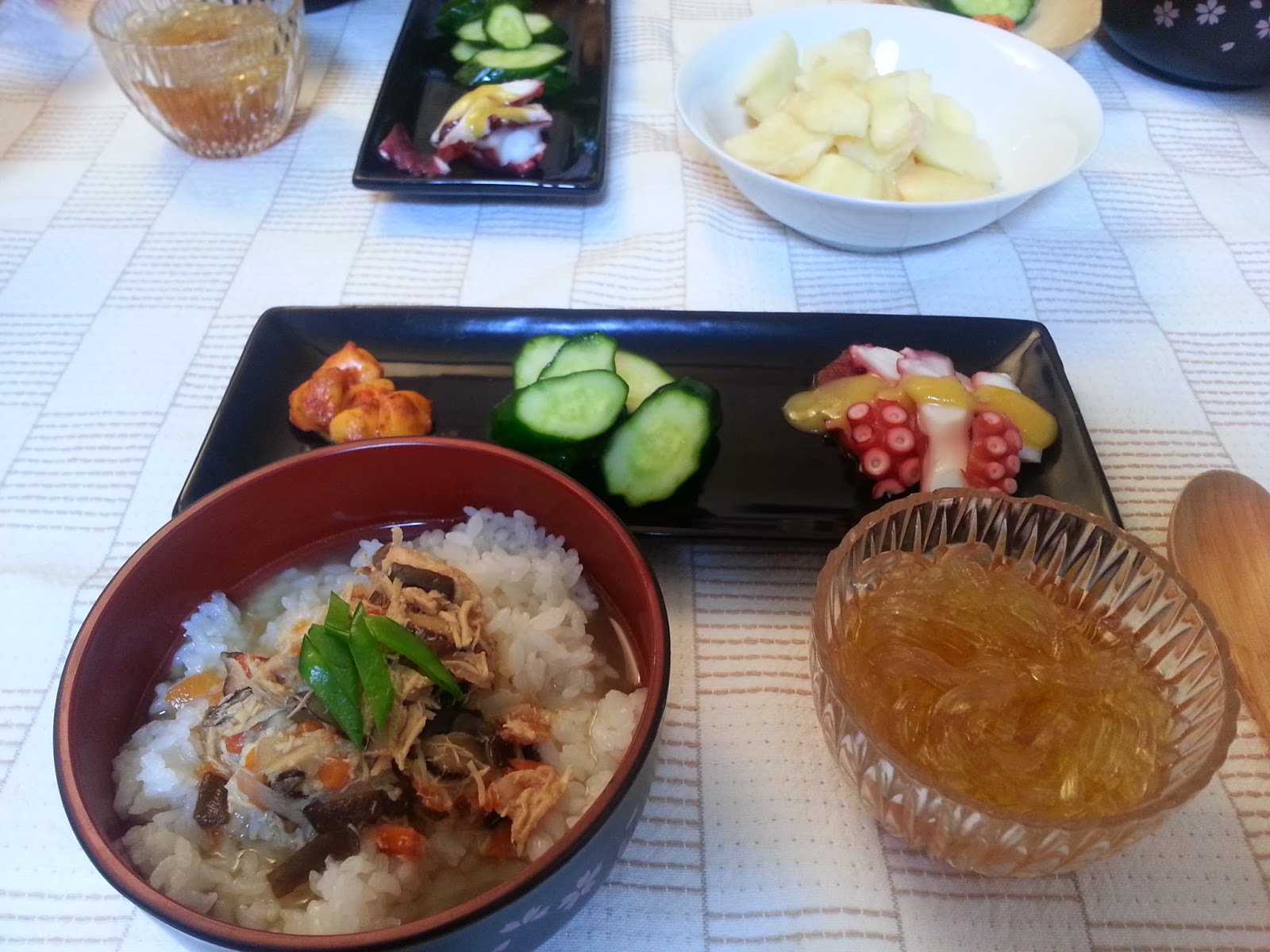
For my second last dinner with the Oi family, I got to eat octopus with Japanese mustard for the first time (top right on the black plate). Among other new dishes were garlic pickle (left top on the black plate) and kanten noodles (slippery transparent noodles on the bottom right-they have a sweetish taste)

Day 32: Watching Train Man and a Farewell Dinner

I once again ate sushi for lunch, this time from a take out sushi place near Asakadai station (the station I travel from everyday) en-route to class. There were rolls available in all shapes and sizes. I randomly pointed to two of them and the lady asked me (through gestures) if I wanted them to be chopped up into smaller pieces. It was interesting to see how they’re sold both ways depending on how you prefer to eat sushi-as a role or as bite sized pieces.

On the train, I noticed there were curtains which you could pull down on a sunny day, which I thought was pretty cool. I’ve seen curtains on inter-city or inter-state trains before, but never on local trains.

Later in class, we watched two episodes of Train Man, a TV show about an otaku who defends a beautiful girl from a drunk man on the train and eventually starts dating her. In trying to ask her out, he takes advice from an online forum of all kinds of people. He is shown to live a sad life with a mediocre job and a boss who hates him. I guess I never thought about this in the past, but watching the show made me realize that geeks are often not successful in life in the conventional sense. Their obsession with gaming and manga comics doesn’t help them with good grades and corporate jobs. In my head, there was a thin line between geeks with nerds (and nerds are usually quite successful). But in reality, they are quite different. In any case, the show was amazing and so addictive. I can’t wait to watch more episodes of it!

After class ended, we had a farewell party which included the Waseda staff who’d been helping us and our host families (and ofcourse the students and professor). We all got certificates for completion of the course (it’s the most hilarious and creative certificate I’ve ever received. See picture below). Each of us shared our favourite moment with our host families in the past five weeks. One of my classmates made a video of our past 5 weeks and it was really astounding to remember all that we’ve done. I don’t feel like it’s been 5 weeks, feels more like 2 weeks.

Kaori-san, me and Masaki-san at the farewell dinner. Kaori-san, as a proud mother, wanted to pose with my certificate!

 Our professor came up with the most innovative description to write on our certificates. Instead of writing the convention ‘has successfully completed the course’ he wrote a list of all the things we had done as a part of this 5 week course-from trudging around in the Japanese heat to mastering zen meditation!

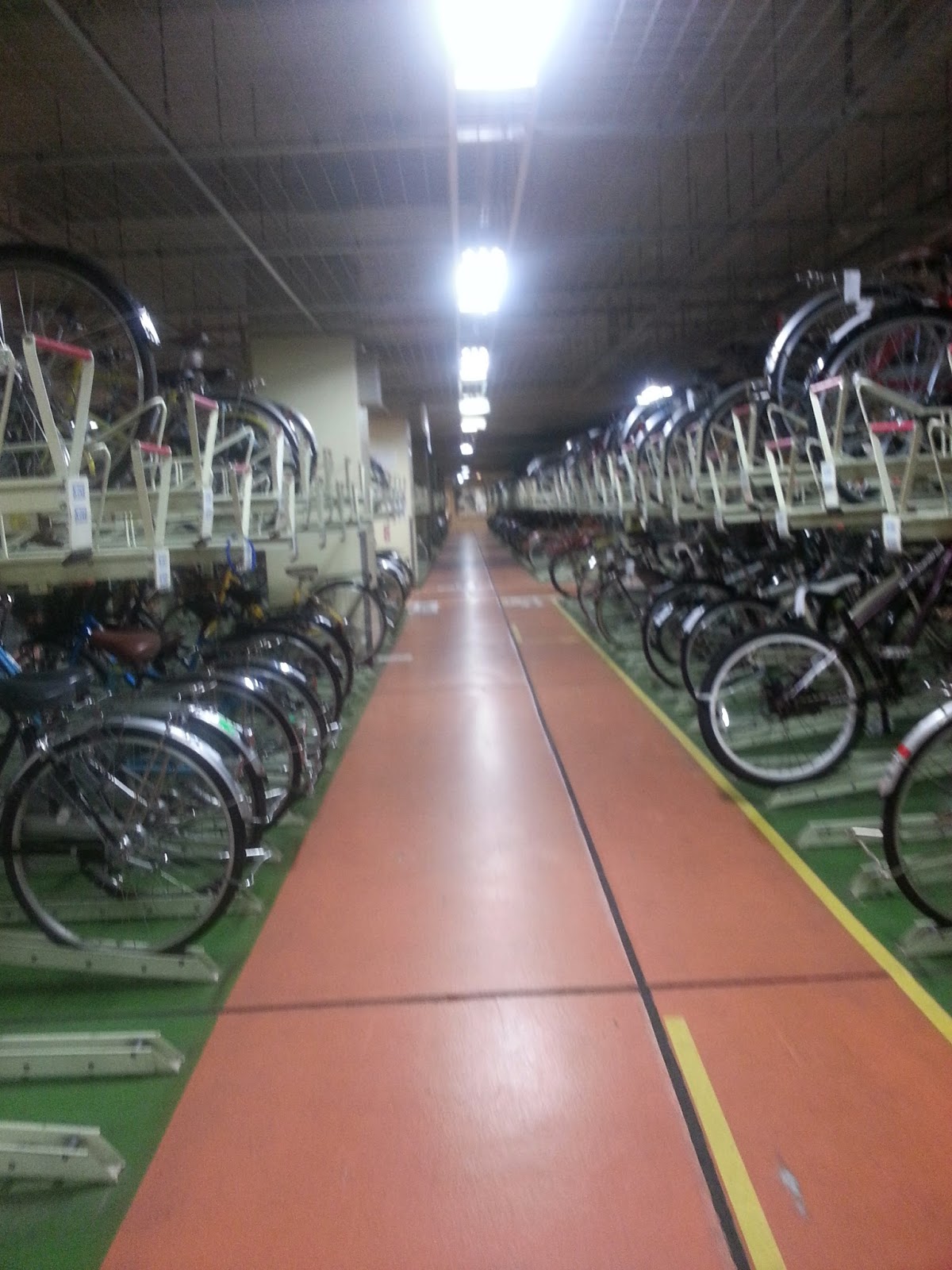
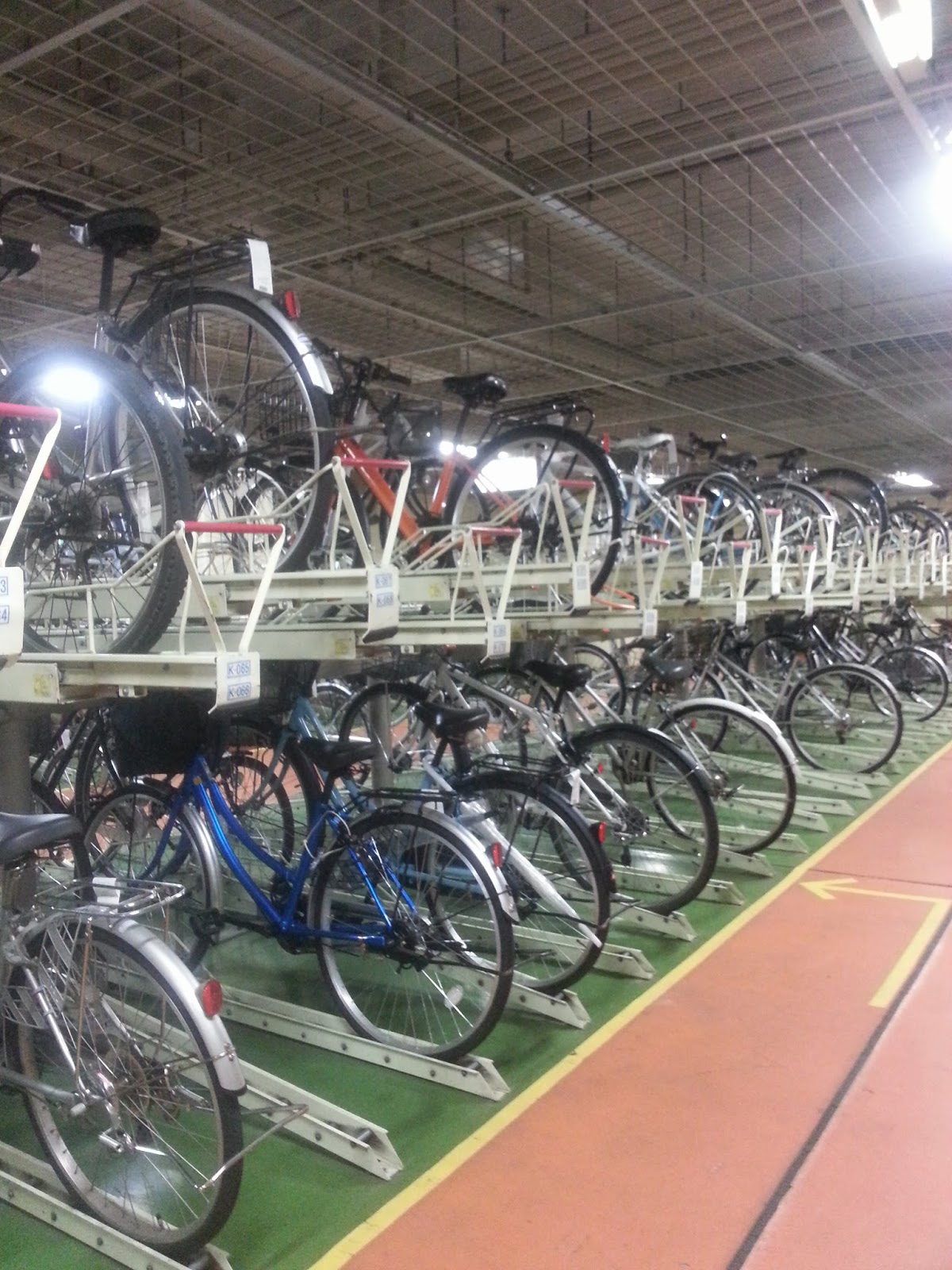
On our way back, Kaori-san showed me the bicycle shed which is by every train station for people to park their bikes. It was very impressive.

The bicycle shed under the local train station. At 9 pm., it was still quite full. There were several other rows like the one in the picture. The shed was so big that I couldn’t capture it in one shot. 

Two storey parking: This is actually quite common in Japan, to have bicycles parked on top of each other. 

A bicycle walkway: the little black line you see in between the silver panels on the right is actually a moving walkway on which you can put your bicycle. You still have to hold the bicycle, but it reduces the effort you need to put to take it up. 

Day 31: Cheap Yummy Sushi and Making new friends

It’s been a month! This is my study abroad program’s last week, which also means my last week in Tokyo. Yet I continue to get my share of new experiences.

I ate konbini sushi for lunch, which was surprisingly excellent. It was under 500 Yen (~$5). Great value for money.

I watched the animated movie Akira in class today (animated movies are not the same as Japanese anime though. They differ in style, realism, etc.). It was so action packed that I zoned out repeatedly, which is why I wasn’t sure what exactly was going on. Monsters appeared out of nowhere and there always seemed to be blood somewhere on the screen. Anyhow, based on what little I did follow, the movie was a futuristic one about the damage caused by World War 3.

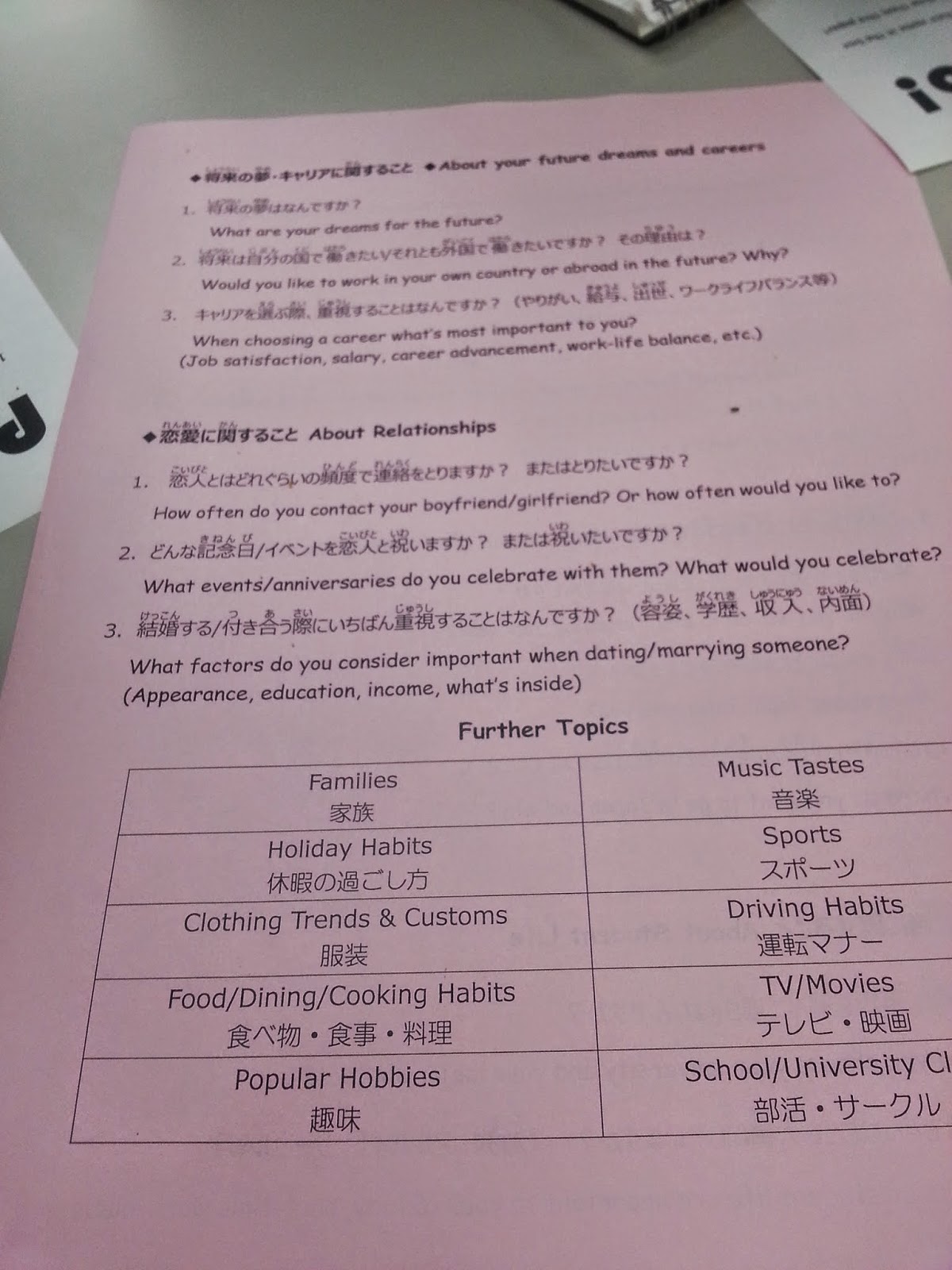
After class, I went to another Waseda University event. This one was a chat session in which international students got to interact with local students. It was really nice to meet locals my age and spend time with them. The session was really well organized. They started with an ice breaking game and then placed us on tables of 5-7 people each. We were given a list of things to talk about in case we ran out of topics. After about 30 minutes, we were asked to switch to another table. Both my tables had really interesting and inspiring people, who I enjoyed talking to. I felt unfortunate to have met all these people in my last week here.

Suggested topics to talk about in case things get awkward!

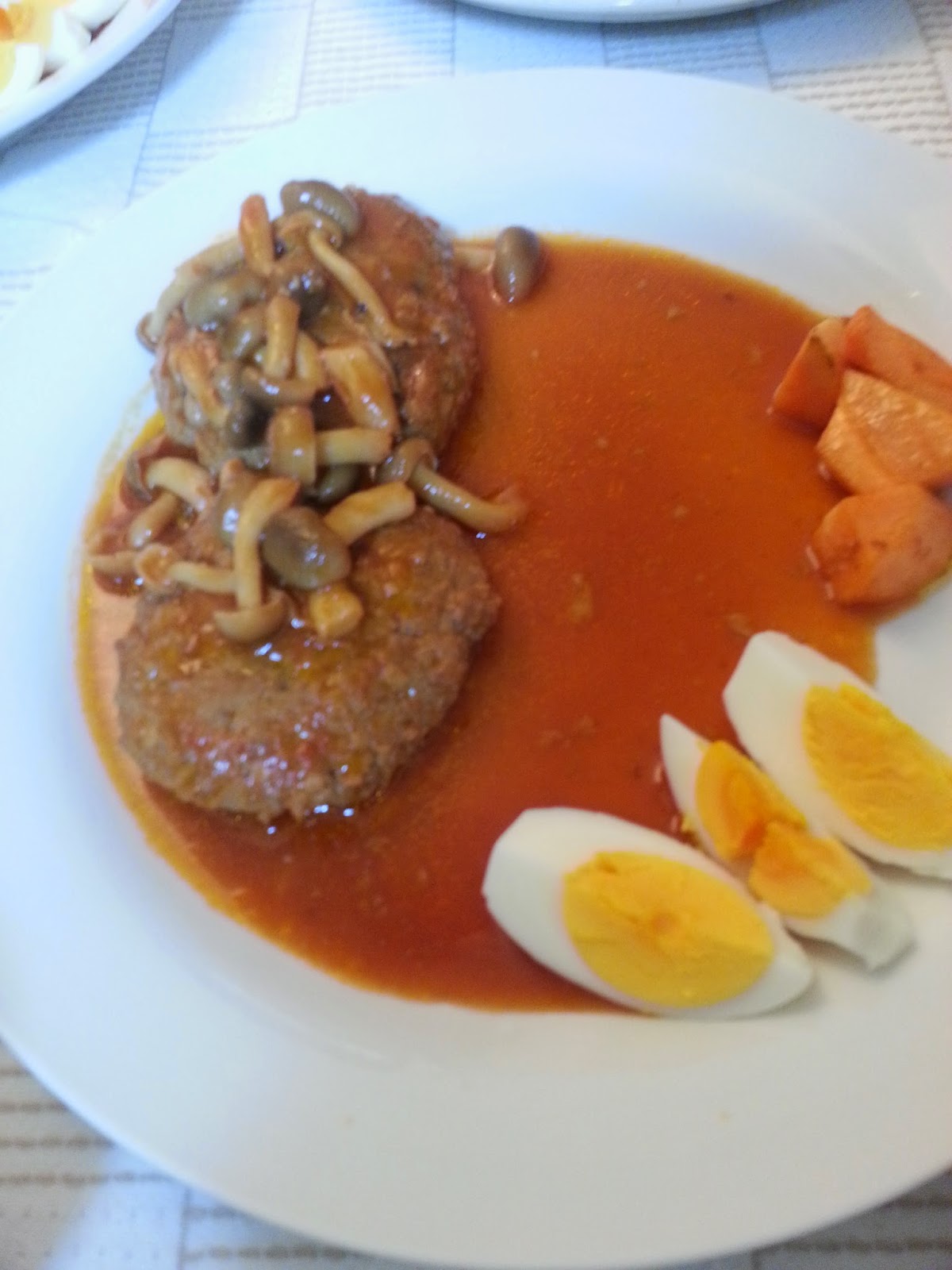
Dinner at home was a learning experience as always.

Hambagu (Japanese steak): a patty made with hikiniku meat (a combination of pork and beef) and tomato sauce

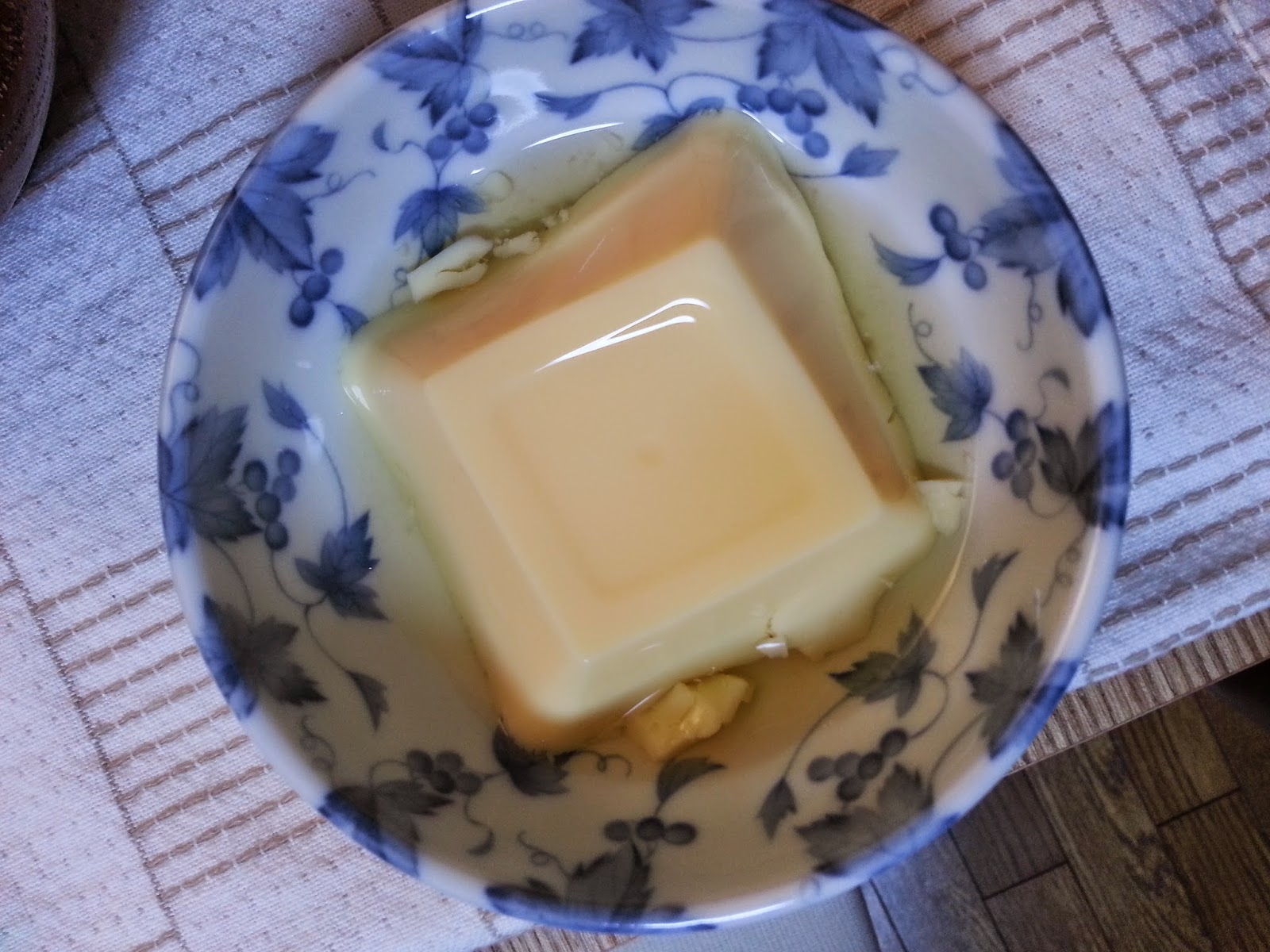
Tomogodo Hu: A blend of tofu and egg

Day 30: Amazing people and Roppongi

I met a college friend’s brother and his friends today for lunch. They were an amazing group of people from all walks of life. Not knowing Japanese, I haven’t been able to interact with a whole lot of people in Tokyo and have had to rely on sight seeing and books to learn about Japan. Meeting people who are living in Tokyo taught me a lot about life here. Since they were all young working professionals in Tokyo, I especially learnt a lot about the work culture and corporate world of Japan.

After a Mexican lunch, we headed to Roppongi, a place known for its shopping and sketchy clubs. I was told about scandals that have occurred in the area. Many of the clubs here are go to places for underage partying. Roppongi is a popular area among expats.

Roppongi Hills, a popular building of apartments, office space, shops, restaurants, parks and everything you can think of. 

An aerial view of a cafe inside of Tokyo Midtown. Tokyo Midtown is another mixed use building near Roppongi Hills

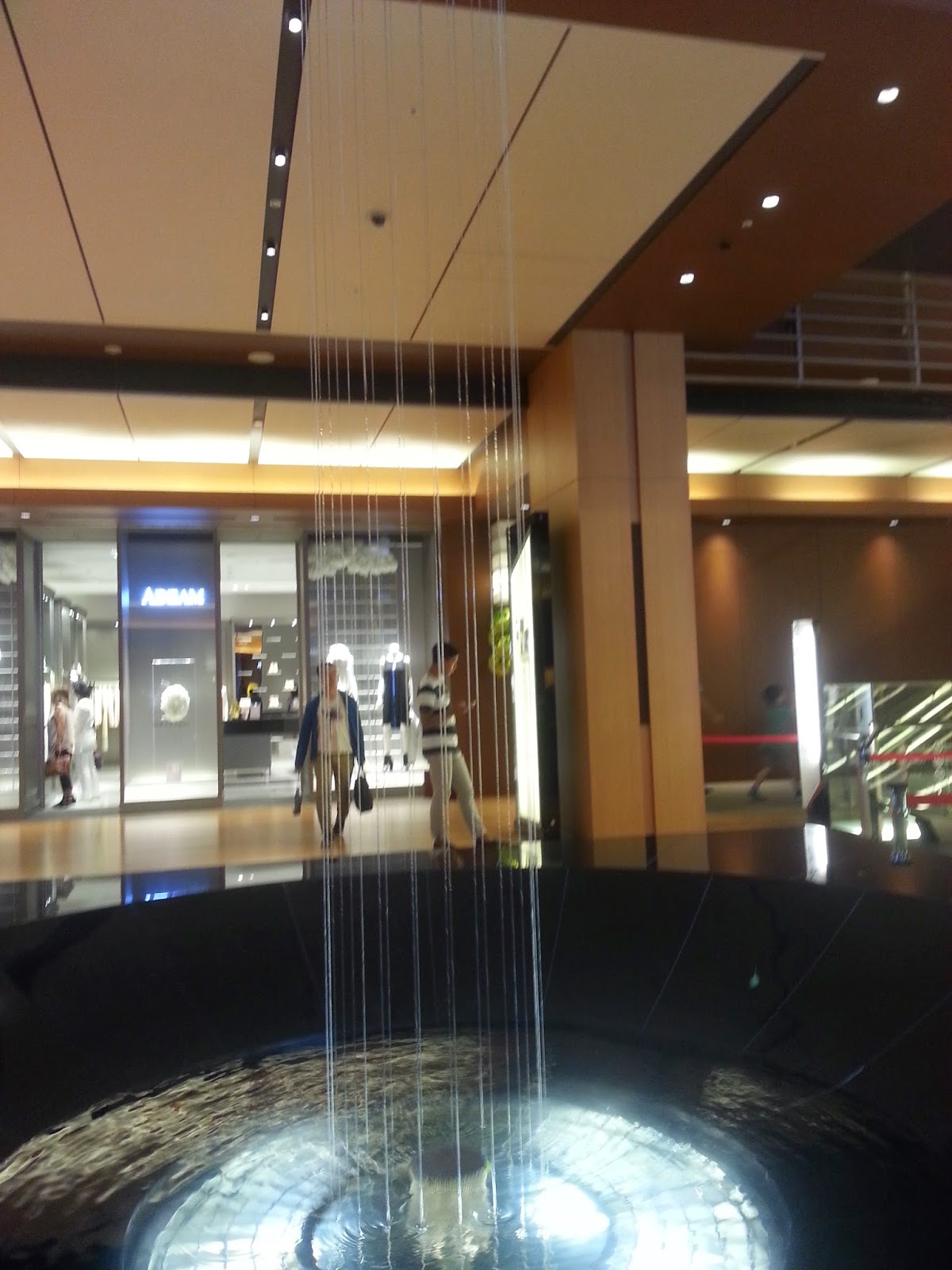
An interesting fountain inside Tokyo Midtown. The lines you see in the center are strings of water going all the way up to the ceiling.

Gapao rice for dinner: Thai stir fried chicken with basil leaves. It was slightly spicy but so delicious! 

Day 29: Japanese music and Disneyland

Masaki-san and I spent the morning listening to Japanese music. I got to hear some Japanese classics and his favourite music. Here are youtube clips of two of my favourite Japanese songs.

The first one is called Linda Linda, by Blue Hearts. Its apparently a Karaoke favourite. Be patient for the chorus when you listen to it. If you’re in a hurry, skip to 0:47. That’s the best part!

The second one is called Nijiro, by Ayaka. Start listening at 0:40.

Japanese pasta once again: food in plastic has never tasted so good! 

Since Kaori-san wasn’t at home, and neither Masaki-san nor I can cook anything edible, we walked to a nearby 7/11 to pick up some delicious konbini food. On the way there, I saw many open spaces and stand alone houses. On asking what they were, I was told that they are farm lands. It was surprising to see farming so close to Tokyo. Masaki-san said that these were farms that had existed before Tokyo started getting populated. Since my host family’s house is in a suburb, which is officially in another prefecture (called Saitama), the farm land remains operational. I learnt that the property prices had been increasing ever since Tokyo’s suburbs came up in Saitama and many farming families have been renting or selling their houses to people who work in Tokyo and want to live in a suburb. My host parents sometimes go to the farmer’s market there on weekends to buy fresh vegetables, which happen to be cheaper. Kaori-san later told me that many of the vegetables being sold still have soil on them!

In the afternoon, the weather seemed kind. So I decided to spend the second half of my day at Disneyland. I didn’t really want to go, but I felt the need to check it off my list. At first I was a bit bored, since I was by myself and I didn’t want to spend an hour in line for rides alone. But soon, it started raining and getting dark, so the lines got significantly shorter. Suddenly, it felt like a great decision on my part to have come to Disney! I also watched some music and dance shows, which were of Disney characters but in Japanese. Not being able to understand the words made me realize how much I underestimate the value of words and lyrics when listening to music.

Enjoying Disneyland all by myself!

Many of the workers at Disney didn’t speak English and the instructions they gave before or after rides were incomprehensible to me. I had to concentrate on their gestures and facial expressions to understand what they were saying.
The rides were amazing as always. Being alone gave me the opportunity to observe them with greater detail. The timing of sounds and effects are impeccable. The rides successfully attempt to give each person on the ride a personalized experience wherein everyone receives the same impact no matter where you’re sitting.

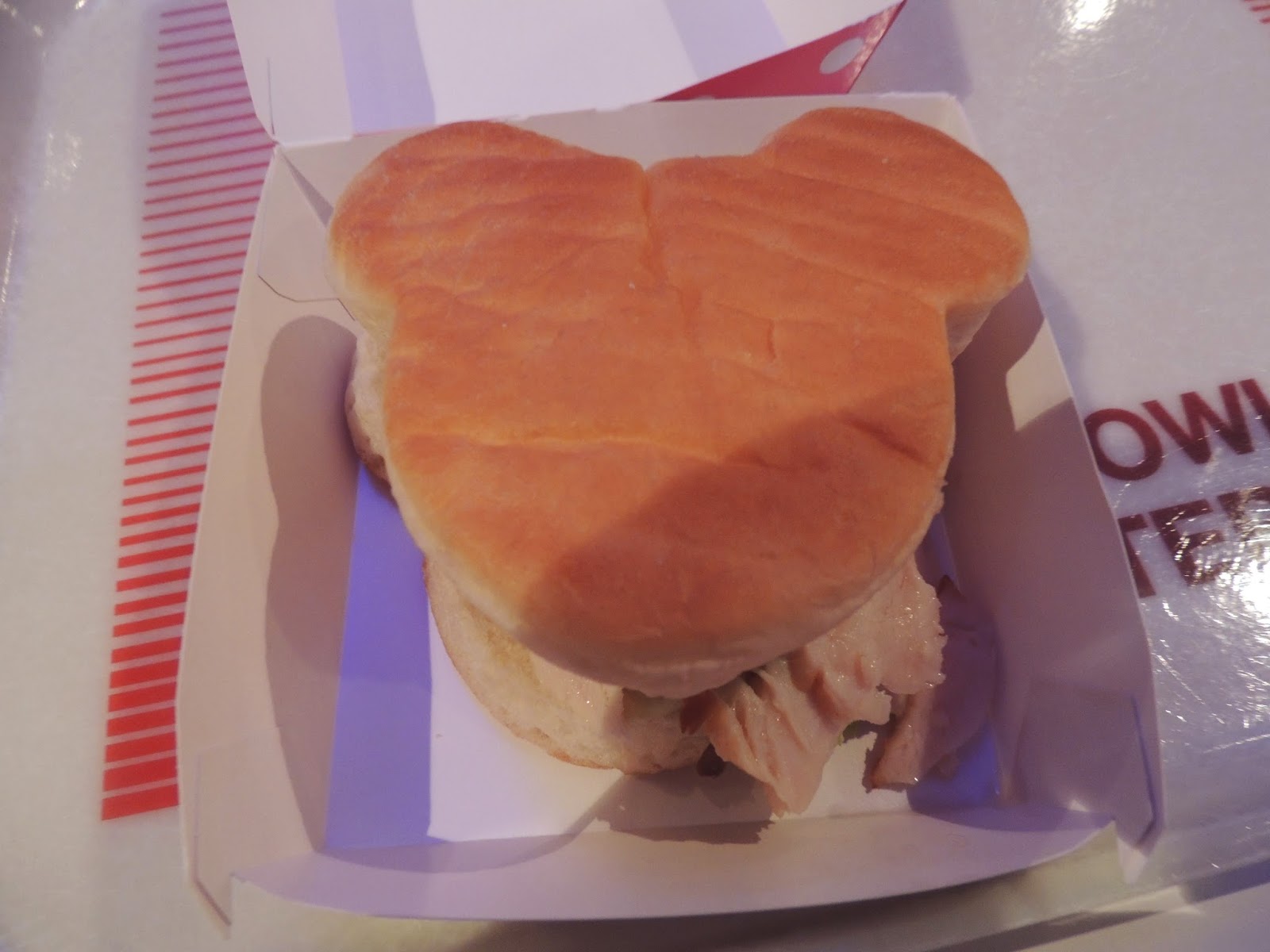
A mickey shaped chicken deli sandwich at Tomorrow Land. Even though Disney food is expensive, the quality of it is amazing for mass produced fast food. 

This was my fourth disneyland, after California, Florida and Kong Kong. Hope to visit Shanghai and Paris disney soon!

Day 28 continued: Wearing a Yukata!

After the end of the field trip, some of us headed to Waseda University to attend an event featuring a tea ceremony and wearing of Yukatas. Waseda often organizes such events for the benefit of international students at Waseda. There were quite a few people there. Many of them were taking summer language courses.

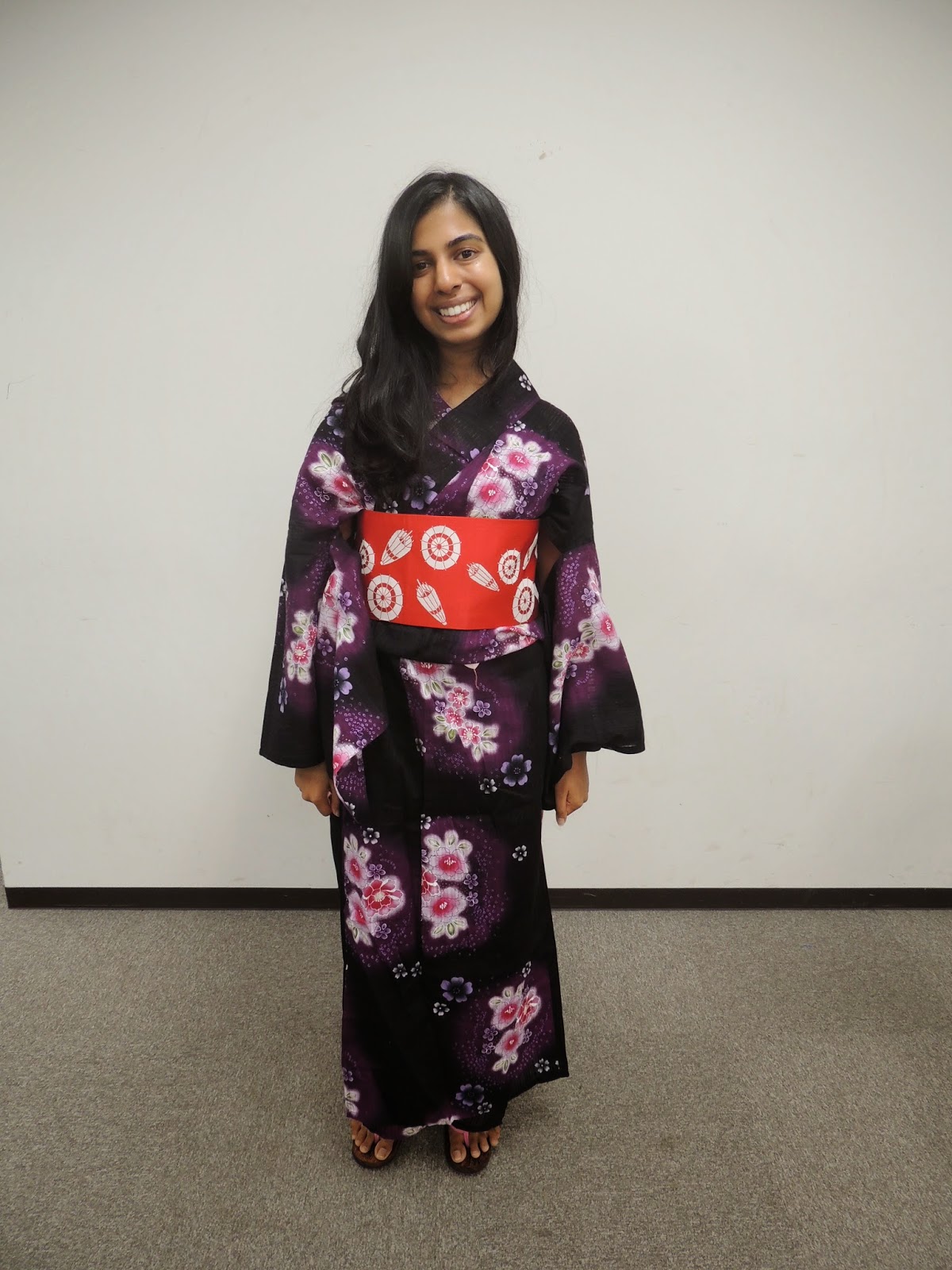
The tea ceremony+ yukata wearing event for international students at Waseda

Yukatas are traditional Japanese summer clothing. They are easier to put on than kimonos, and also much cheaper. The red sash is called an obi sash. The Yukata is worn with traditional geta slippers. 
I was unfortunately not able to do the tea ceremony, but I learnt what it was. It involved drinking macha tea and eating a Japanese sweet to nullify the bitter taste of the tea. People sit in a circle on tatami mats and are served the sweet first. The tea is served and drunk after that in traditional looking bowls.

 I headed home after the event at Waseda to find a delicious dinner waiting for me.

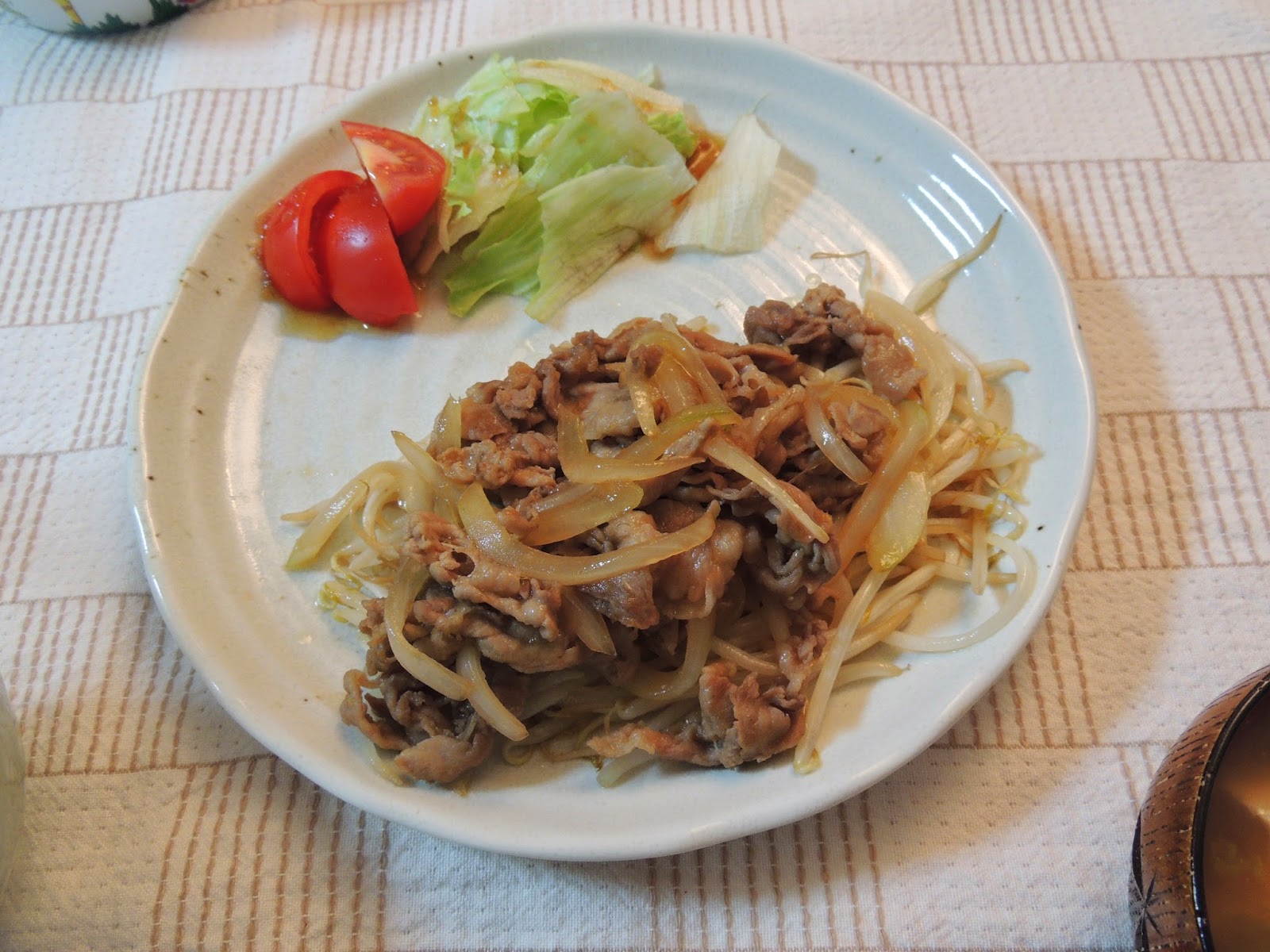
Kaori-san made a traditional Japanese dish called ‘buta no shogayaki’ for dinner, AKA ginger pork. 

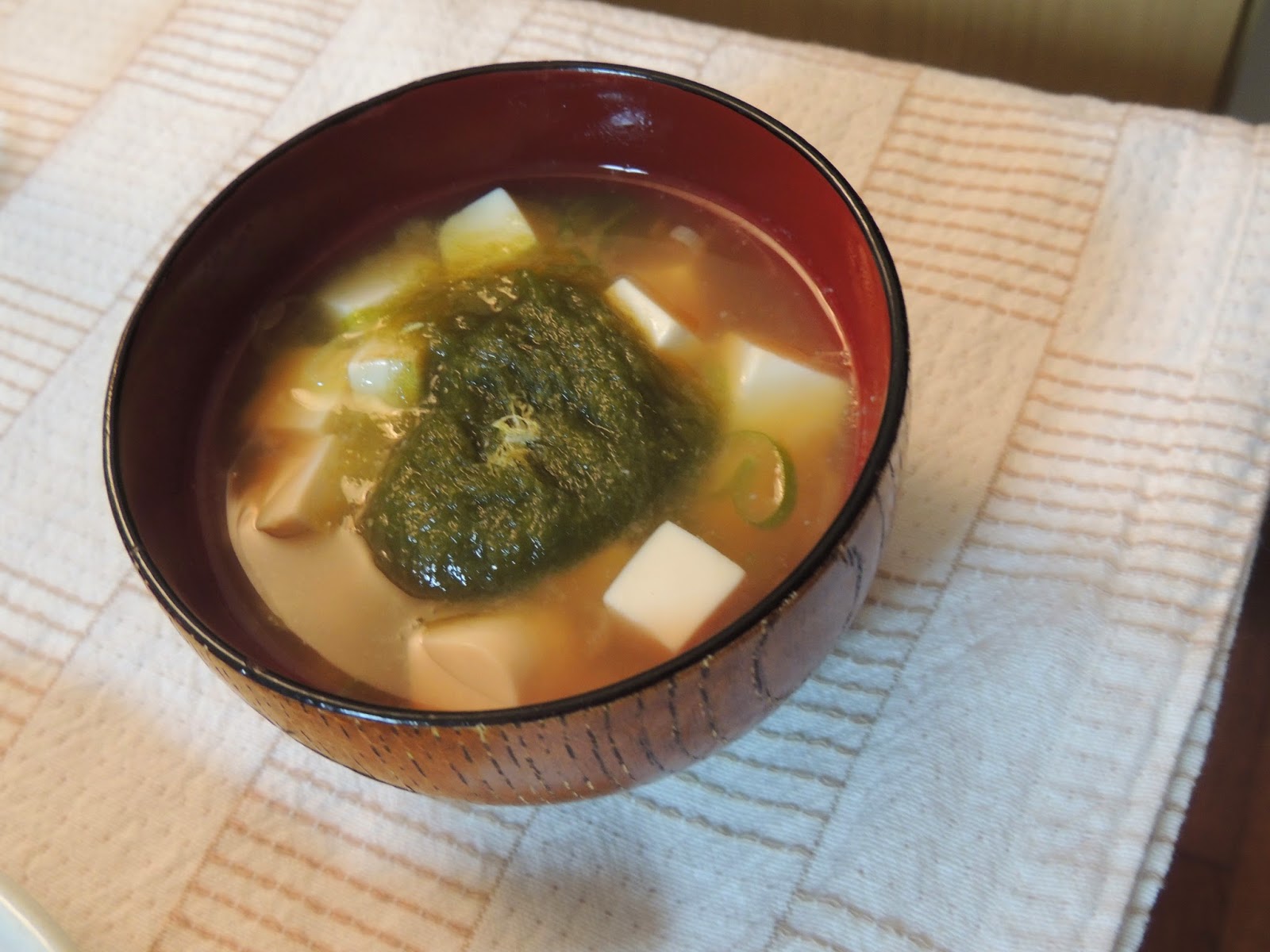
Miso Soup with Tororo seaweed-I didn’t know this earlier, but there are apparently several different kinds of seaweed.

Day 28: Architecture Field Trip to Omotesando

 The last field trip in Tokyo, this one was about looking at architecture of buildings in Aoyama and Omotesando, one of the more upscale areas of Tokyo. Omotesando, commonly known as the architect’s playground, is clustered with buildings of innovative designs. It was amazing to walk around the place with the professor telling us about each of the interesting and popular buildings. Although it’s difficult to ignore the uniqueness of the buildings in Omotesando, it is easy to get distracted quickly by all the fancy stores and tiny alleys that lead towards the Shibuya area of Tokyo.

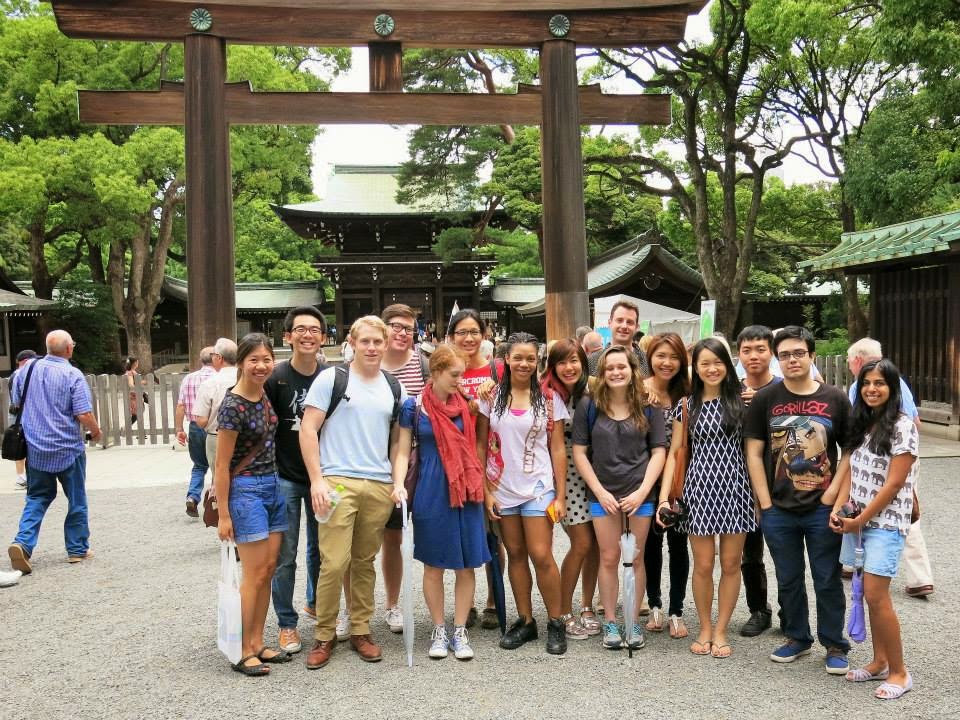
The whole group at the Meiji shrine, which was built in 1921-the pebbles on the ground are meant to keep more plants and trees from growing so that visitors have a walking path to the shrine.
Photo credits: Stephanie Siow 

Wishes and prayers of all languages hung on a rack besides the Meiji shrine
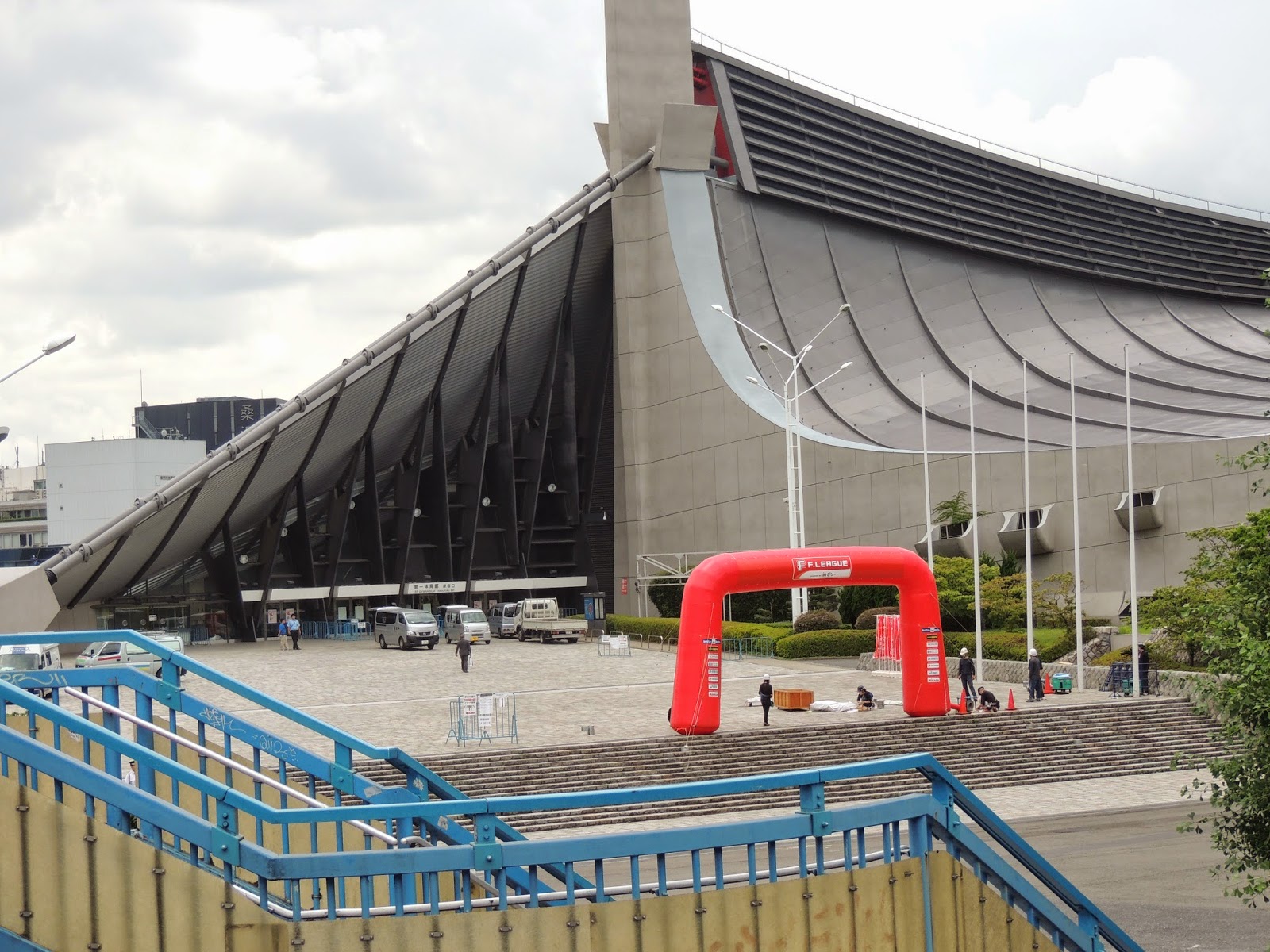
The National Olympic Stadium-built for the 1964 Olympics. 
We make a stop for lunch at an Italian place-I ordered a cod-roe Japanese pasta. 
The pasta came with a lemon squeezer-so nifty, isn’t it? Ahh Japanese technology.  

The Dior building in Omotesando, like many other buildings in the area, has covered windows so as to give some privacy to the shoppers inside and raise the exclusivity and enigma of what’s inside the store. 

The celebrity of Omotesando: THE PRADA BUILDING!This building has no walls. It’s all diamond shaped windows. The glass of the windows is made of different kind of glass-some are concave, others are convex and the blurred ones are mirrors on the inside. There are no price tags on the products inside the building. The people who shop here presumably don’t care about that. 
Photo source: glamasia.com
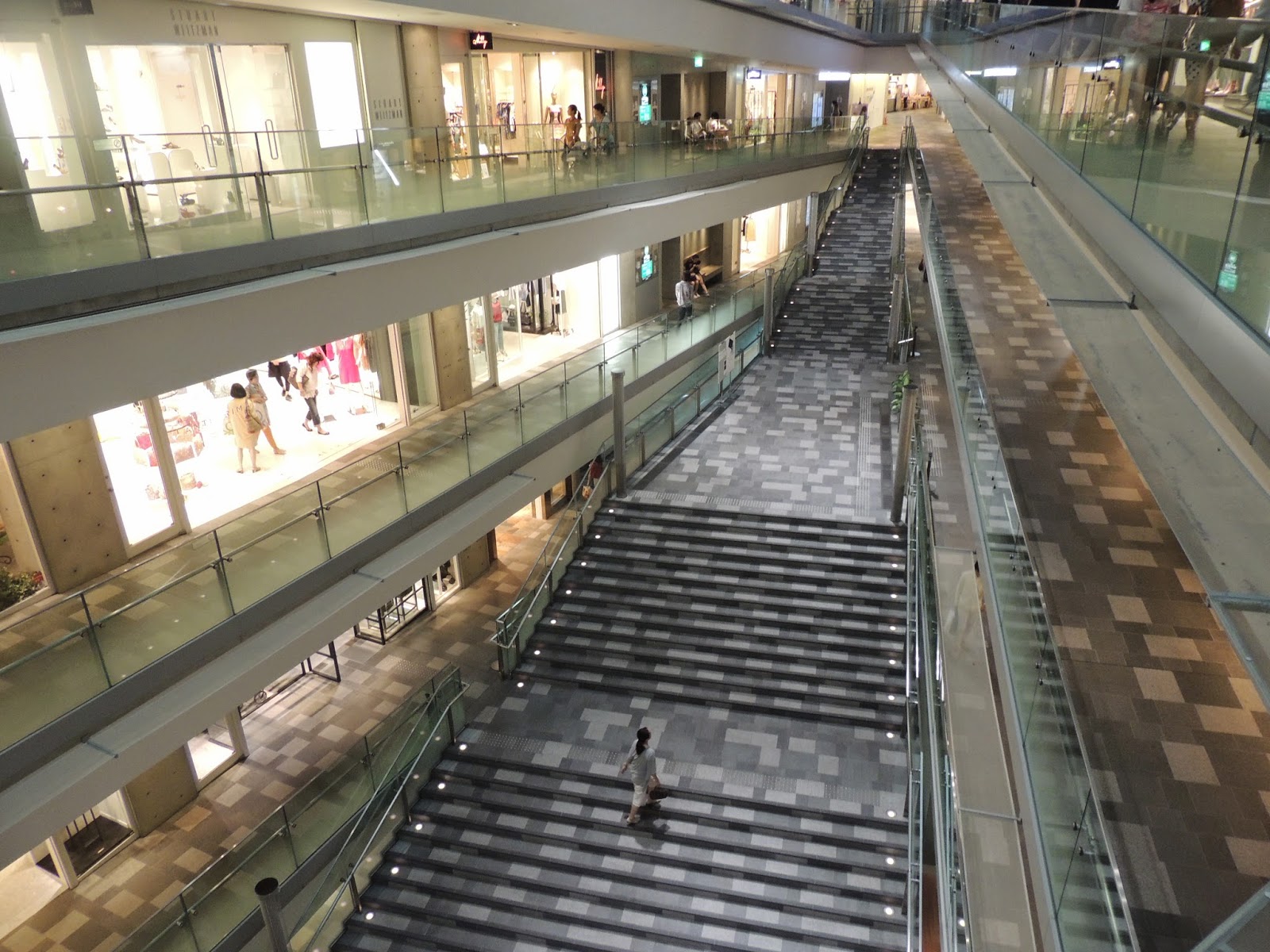
The ceiling of the lobby of Omotesando Hills-a shopping complex. It is known for its brilliant (and highly unusual) architecture, designed by famous architect Tadao Ando

Although Omotesando Hills deceives you into thinking that its just two storeys from the outside, it has 5 or 6  storeys in total fitted inside. 

The corridors of Omotesando Hills are sloped upwards. It spirals up, so you needn’t take the escalator to go to another floor. You can simply walk up. 

Omotesando Hills has a triangular structure to it. Notice the stairs becoming narrower near the top. 

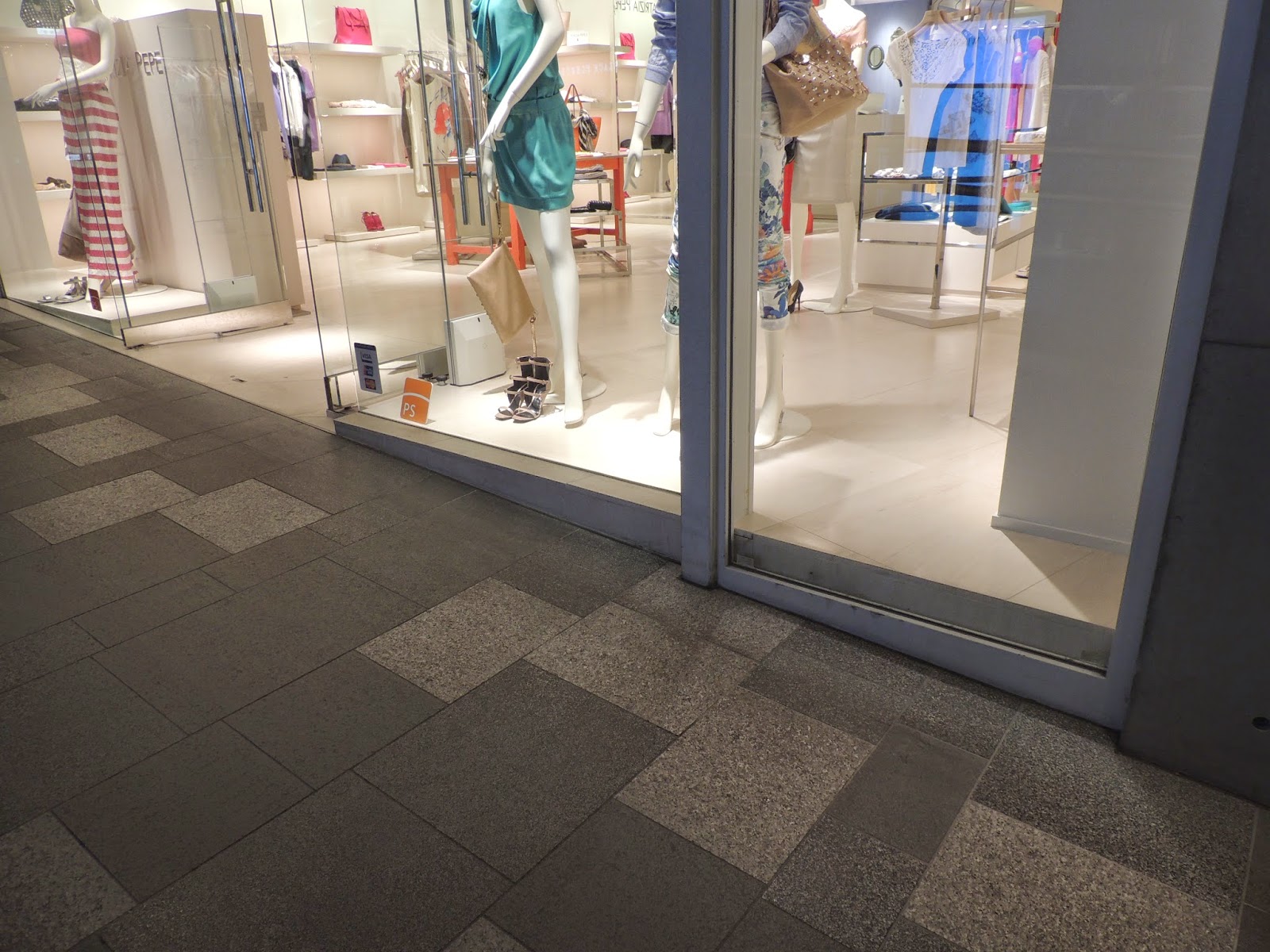
The stores inside Omotesando Hills aren’t on a slope though (if you look carefully, there is a platform on the right side which raises the store to even ground), because it would be quite hazardous for the customers to have racks of clothes sliding and falling on them. 

Hugo Boss: a curved building

Apple Store at Omotesando: Standing among buildings of fancy design, the Apple Store is meant to give a clean and simple look, similar to the surface of a Mac. By being simple, it stands out on the street, like a silent person in a noisy crowd. The store on the inside is very spacious and the products are placed far from each other. 

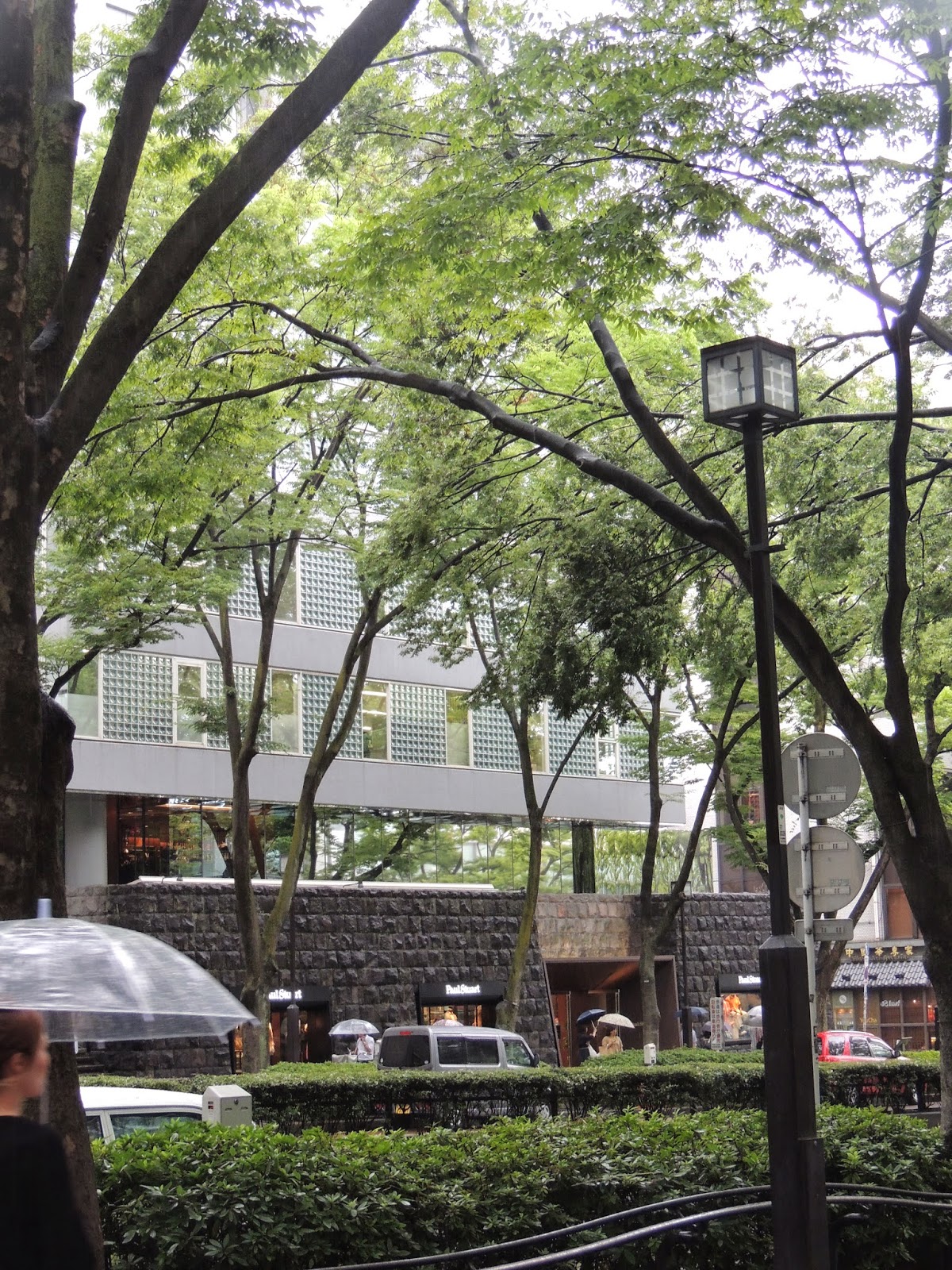
Paul Stuart: This store’s building is traditional on the bottom (notice the grey bricks) and modern from the second floor up. It signifies the building of modern design on top of a traditional foundation.  
Louis Vuitton: the building looks like suitcases stacked on top of each other. Suitcases are one of LV’s main products. 
 Source: aefirms.wordpress.com

Day 27: Discovering New Comfort Foods

Tired of all the course work and physical exertion, my body felt exhausted and I decided to take it easy.

So I started the day with Starbucks coffee. I rarely drink Starbucks, which is why I’m not very well acquainted with their latest menu. I noticed quite a few unique drinks on their menu and instead of going for my all time favorite cafe latte, I opted for a drip coffee instead. The toppings station had a diverse set of options, from different kinds of sugars and powdered cocoa, vanilla and cinnamon, etc. I added some brown sugar and cocoa powder to my drip coffee. It didn’t taste exceptional compared to other starbucks coffees, but seeing so many different options available from the basic coffee to the toppings, I felt the desire to bring my essay to a Starbucks over the weekend.
The atmosphere at the Ikebukero Starbucks was pretty cozy and I loved spending my morning there.

After coffee, I walked across the street for some comfort food from subway. I got an avocado veggie sub on sesame bread with egg. In an attempt to get some Vitamin C, I also got some terrible tasting orange juice.  (Piece of advice: don’t trust them when they say its 100% orange juice)

After class, on my way home, I got a salmon onigiri. The fish was excruciatingly salty but the seaweed and rice nullified the effect, making the onigiri totally worth the money and calories. I stopped for a matcha latte on the way home and letting myself spend over 300 Yen (~$3) on it was the best decision I’d made all day. It was warm and soothing and the perfect balance between bitter and sweet.

Matcha Latte: worth the money

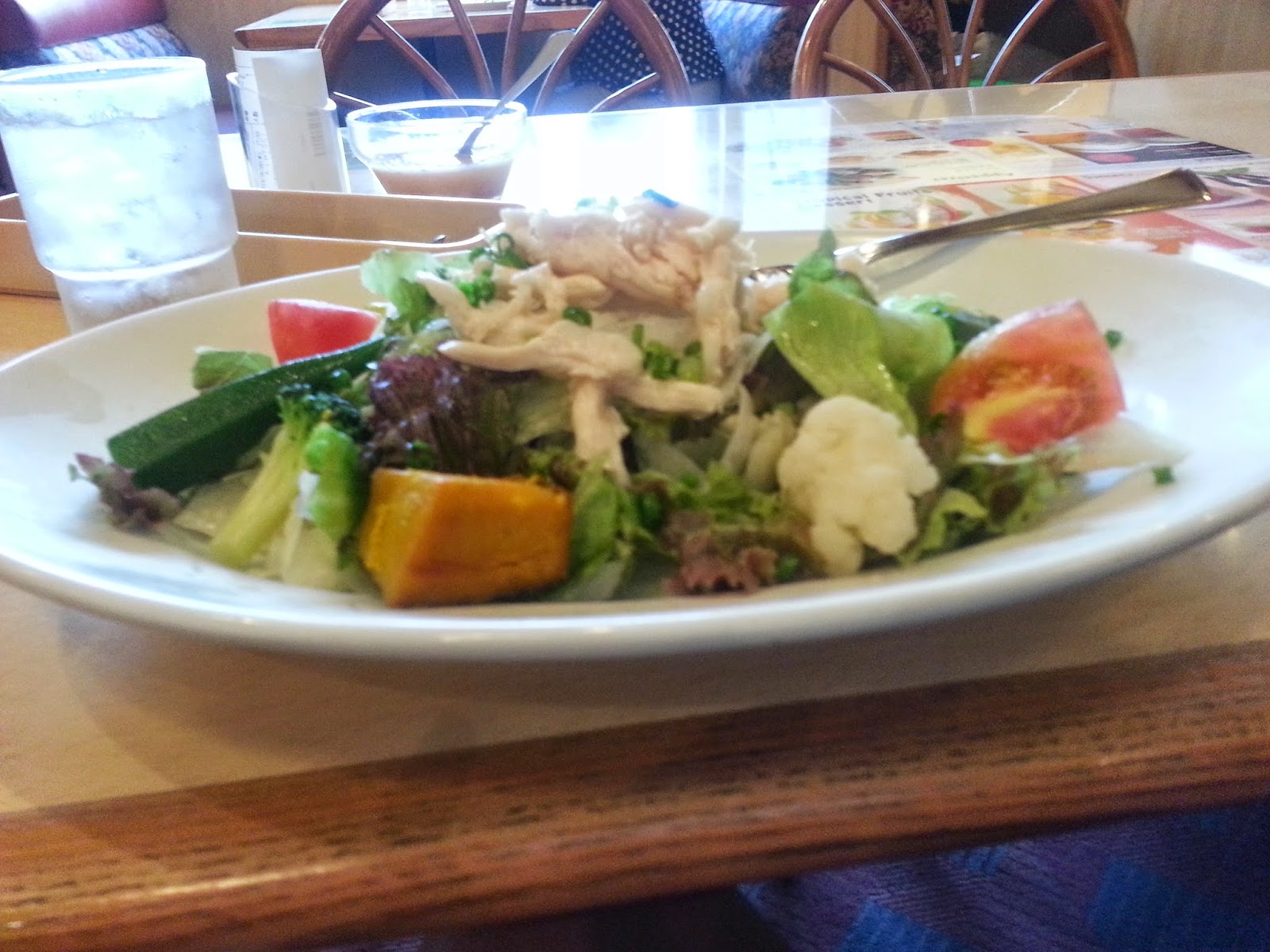
Ending the day with a salad featuring the much remembered broccoli and pumpkin

Day 26: WW2 and Ueno

This week, we are studying the post war years in class. When Japan lost the war, the emperor for the first time made a public announcement. He was so far removed from the public, that people weren’t able to understand his message, which basically meant ‘We surrender’. Some patriotic soldiers didn’t want to stop fighting. Families were shattered. Soldiers who were abroad were stuck there for a long time. Some were returned after a year and a half but most remain unaccounted for. Six major cities, including Tokyo, Hiroshima and Nagasaki, were in ruins from bombing and subsequent fires. In Nagoya, one of the six cities which were heavily bombed, over 80% of residences were destroyed.

We watched the movie Gojira, which was the original Japanese version of Godzilla. Gojira is about a sea monster whose natural habitat is destroyed as a result of atomic radiations in the water and as a result he comes out of the water and causes great destruction on land. The destruction he causes seems akin to the destruction caused by the nuclear bombs. The way a city built over thousands of years can be destroyed in a matter of minutes is terribly sad to see. A scientist in the movie who has come up with a way to kill Gojira is afraid of revealing his invention because he knows that human beings would end up using it against each other in war.

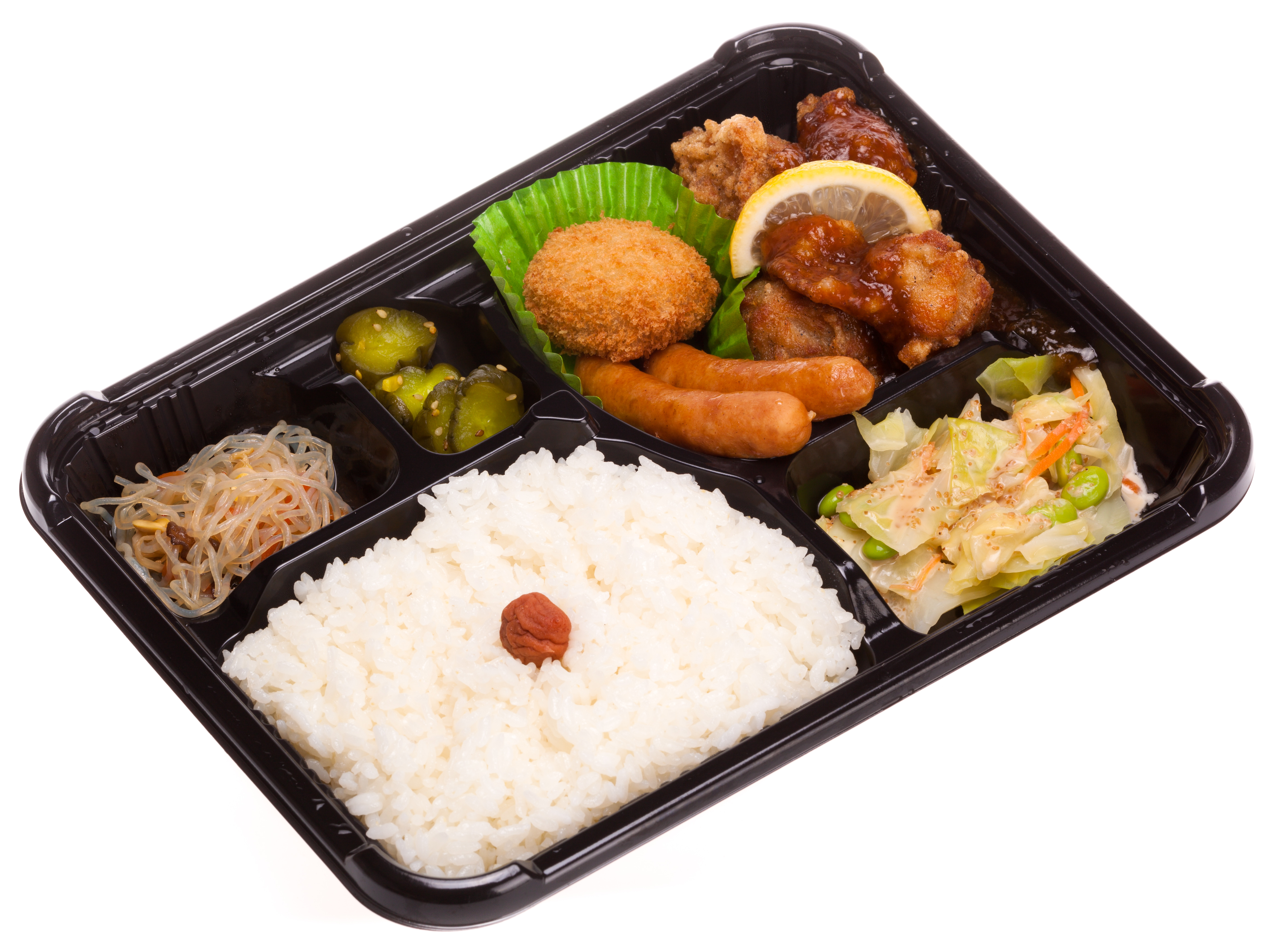
A bento box-packed lunch in plastic boxes found in convenience stores and specialized roadside stands which specialize in bento food. I picked up a bento box for lunch from one of the roadside stands today. It just cost 500 Yen and included sweet and sour chicken, rice, pickle, tofu and some pasta. I was too lazy to take a picture of my bento box, but this picture that I found on the internet is a great representation of a bento lunch. 
Source: commons.wikimedia.org

Apart from studying about war and writing papers, I visited Ueno. Ueno is a complete tourist destination. It has six museums located close to each other, a zoo, of which the main attraction is a giant panda, a lake, a garden, a shrine and a cheap shopping area. If you only have one day in Japan and want to experience as much of Japanese culture as possible, this would probably be a good option.
I went to the Tokyo National museum, which is the largest museum in Japan. To get there, I went through the park and passed the shrine and lake on the way.
At Ueno park with my friend and classmate Steffi. During spring time, cherry blossoms bloom here and this location is often seen in pictures with pink trees on either side. 

Passing by a shrine at Ueno

It’s a lake! Can you believe it? 

Ink paintings from the 16th  century at the Tokyo National Museum

Have you dreamt about any of these? If you have, flip the pillow over to read your fortune.
Sighted at the Tokyo National Museum in section about fortune telling.
 

 After the museum, I took a quick walk through the shopping area, called Ameyoko. I felt like I was in Singapore’s Chinatown or Kuala Lumpur’s night market again. It had extremely cheap items on sale. There were roadside restaurants of all kinds of cuisines with outdoor seating. There were stalls selling cheap matcha ice cream and other sweets which I didn’t recognize.

Ueno’s shopping area: Ameyoko

Dinner featured two new dishes today.

Takikomi Gohan: rice with some meat and vegetables mixed with soy sauce. Its a lighter (and for me, better) version of fried rice. 
Source: humblebeanblog.com

Buri-daikon: Buri is a kind of fish and daikon refers to the Japanese radish. They are cooked in soy sauce and make a delicious but light dish. 
Source: tokyostation-yukari.blogspot.com